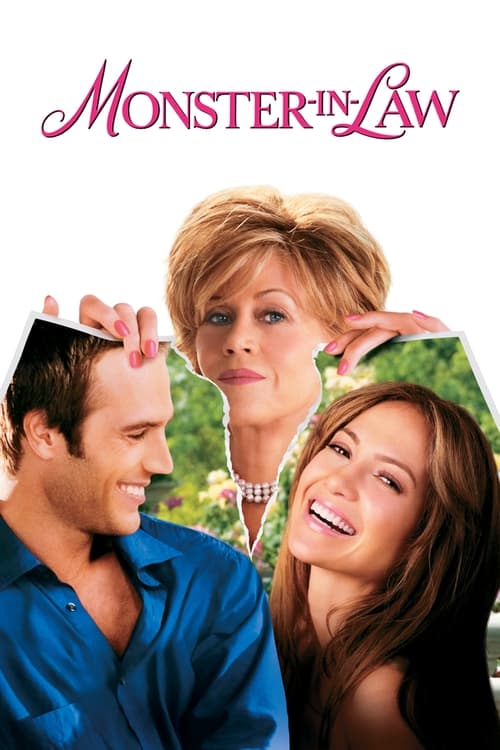
Monster-in-Law
2005
No user ratings available yet
Representation score: 2.1 out of 10

Representation Score
Minimal
1991
PG-13Director
Chris Columbus
Runtime
104 minutes
Average Rating
No ratings yetNew Showbiz Analysis
Only the Lonely is a traditional romantic comedy that prioritizes conventional familial and social hierarchies. While it avoids complete female passivity, the narrative remains anchored in a standard straight-centered structure. The film gains some depth through the ethnic background of the Luna family, which introduces a necessary cultural contrast to the protagonist's life. However, this is offset by a lack of representation for LGBTQ+ identities or disability. Ultimately, the film functions as a straightforward urban comedy. It focuses on domestic friction rather than challenging systemic social norms or exploring diverse identity-based perspectives.
Category Breakdown
The film follows a strictly straight-centered framework. There is no presence of queer-coded subtext or non-assuming gender matches what was assigned at birth identities within the story.
Theresa Luna plays a significant role in driving the story through her romantic pursuits. However, the plot relies heavily on the cliché of the overbearing mother as a primary source of conflict.
The inclusion of Theresa Luna and her family provides meaningful ethnic texture. This cultural contrast prevents the narrative from being a purely homogeneous experience.
The story adheres to conventional Western social structures and family units. It lacks engagement with moral relativism or critiques of established institutions.
No visible or invisible disabilities are portrayed as central to the character arcs or the plot's progression.
Present on Screen
Limited or Absent
Official Synopsis
Danny Muldoon, a Chicago policeman, still lives with his overbearing mother Rose. He meets and falls in love with Theresa Luna, whose father owns the local funeral parlour. Naturally, his mother objects to the relationship, and Danny and Theresa must either overcome her objections or give up the romance.
2005
1938

1989
1995
2000
1983
1996
1955
No reviews yet. Be the first to share your thoughts on this movie!
Use the rating form above to leave a star rating and optional review.