The Giant of Thunder Mountain
1990
No user ratings available yet
Representation score: 1.3 out of 10
Representation Score
Limited
1973
Director
Hark Bohm
Runtime
93 minutes
Average Rating
No ratings yetNew Showbiz Analysis
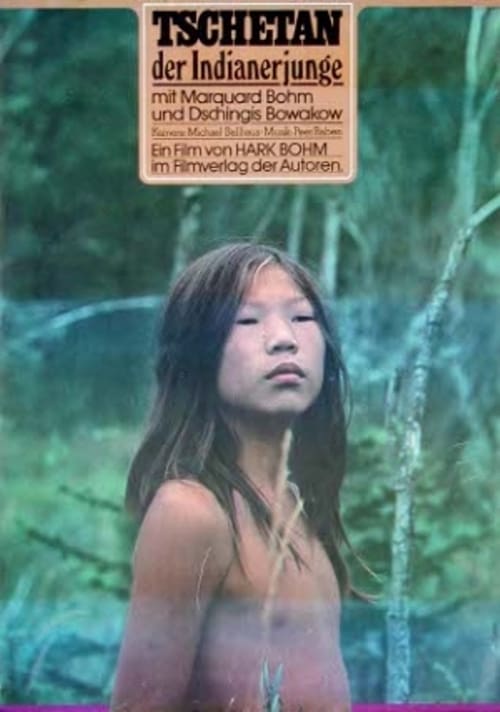
Hark Bohm’s Western disrupts genre clichés by centering an Indigenous boy, Tschetan, as a protagonist rather than a peripheral figure. The film moves from depicting him as a victim of systemic injustice to a character who play a significant role in driving the story. While the film excels in racial and cultural complexity, it remains limited by the gendered archetypes of the 1970s. The focus on masculine roles and the absence of diverse gender or LGBTQ+ identities keep the overall score moderate. Ultimately, the film provides a humanistic critique of frontier power structures, prioritizing personal morality over institutional law.
Category Breakdown
The film does not include any LGBTQ+ characters or narratives focused on non-assuming gender matches what was assigned at birth identities. The story revolves around a friendship between the protagonist and a shepherd.
The narrative heavily relies on masculine archetypes common to Westerns. It lacks significant women's ability to drive the story and fails to challenge traditional gender hierarchies.
The film centers a non-white protagonist within a traditionally white-dominated genre. It portrays a journey from systemic prejudice to individual empowerment through shared work.
The story critiques institutional authority and capitalist expansion. It contrasts rigid legal structures against the personal ethics of the characters.
There is no evidence of characters with visible or invisible disabilities driving the plot or serving as thematic devices.
Present on Screen
Limited or Absent
Official Synopsis
The western film that was filmed in Bavaria is located in the Montana Mountains. At the end of the 19th century, an Indian Boy called Tschetan meets the shepherd Alaska in the Montana Mountains. Alaska prevents him from being hanged as a cattle thief but from then on engages him as a deputy shepherd and forces him to do hard work. But when they have to fight against a powerful stock farmer together, they eventually become friends.
1990
1982
1969
1957
1995
1972
1965
1946
No reviews yet. Be the first to share your thoughts on this movie!
Use the rating form above to leave a star rating and optional review.