
Kill Kill Overkill
1993
No user ratings available yet
Representation score: 1.9 out of 10
Representation Score
Fair
1984
Director
Tim Ritter
Runtime
74 minutes
Average Rating
No ratings yetNew Showbiz Analysis
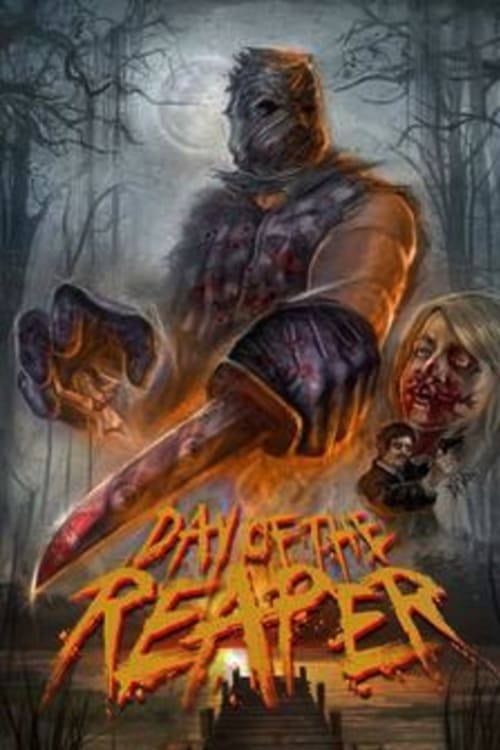
Day of the Reaper is a visceral Super-8 horror film that operates within the restrictive clichés of its era. While it centers on female characters, they are primarily positioned as victims of a slasher narrative rather than empowered agents. The film's approach to diversity is limited by its genre conventions. It uses mental health conditions as a tool for horror and lacks visible racial or LGBTQ+ complexity, reflecting the homogeneous nature of 1980s independent cinema. Ultimately, the work functions as a survival horror piece that prioritizes transgressive aesthetics over nuanced social representation.
Category Breakdown
The film does not include any documented LGBTQ+ characters or non-cisgender identities. The narrative follows typical 1980s genre clichés without challenging assumptions about straight relationships.
The story focuses on five female protagonists, but they mainly serve as targets in a slasher framework. The film does not show any significant challenge to gender hierarchies.
The cast appears to be predominantly white, following the homogeneous casting trends typical of low-budget 1980s independent horror films. There is no indication of intentional racial diversity in the Sunnyville setting.
The narrative explores the failure of institutions through a cannibal killer cliché. However, it lacks the complexity needed for a deeper critique of systemic issues or capitalism.
The antagonist’s status as an escaped mental institution patient uses mental health conditions as a shorthand for villainy. This approach relies on disability as a plot device rather than providing nuanced representation.
Present on Screen
Limited or Absent
Official Synopsis
Five women on vacation in Sunnyville, FL are stalked by a hooded cannibal killer recently escaped from a mental institution. A gory, seminal Super-8 epic from Tim Ritter.
1993
1973
1979
1990
2008

1983
1984
1981
No reviews yet. Be the first to share your thoughts on this movie!
Use the rating form above to leave a star rating and optional review.