
Secret Obsession
2019
No user ratings available yet
Representation score: 3.2 out of 10
Representation Score
Limited
2018
RDirector
Suzi Ewing
Runtime
86 minutes
Average Rating
No ratings yetNew Showbiz Analysis
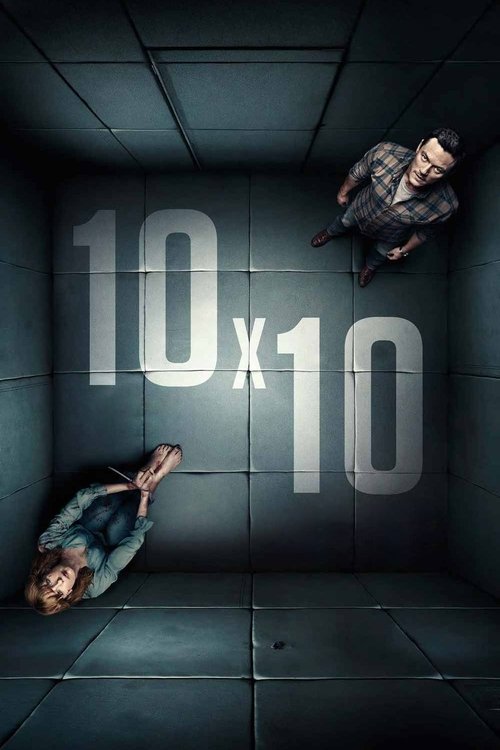
10x10 operates as a minimalist psychological thriller that prioritizes internal trauma over social commentary. Its narrative architecture is strictly confined to a single location, focusing on a fragmented psyche rather than engaging with broader societal structures or the overlapping aspects of identity. This isolation results in a neutral-to-low score regarding intentional progressive values, as the work avoids systemic critique or diverse representation. The film’s approach to diversity is characterized by absence rather than misrepresentation. While it centers a female lead, it relies on traditional clichés of fragility and hysteria, failing to challenge gender hierarchies. Similarly, the cast is predominantly white, and the setting removes characters from any specific cultural or socioeconomic context. Mental health is depicted as a horror element, lacking the nuance required for meaningful disability representation. Ultimately, the film offers no challenge to traditional norms regarding gender, race, or sexuality. Its low diversity score reflects a reliance on standard thriller clichés that isolate the protagonist from broader social contexts. The narrative remains culturally neutral, prioritizing psychological horror and individual pathology over any form of inclusive or progressive storytelling.
Category Breakdown
The film does not include any LGBTQ+ characters, themes, or subtext. It focuses solely on heterosexual relationships and internal psychological conflicts, without addressing non-straight identities or critiques of the assumption that everyone is straight.
A female protagonist and director provide a baseline for female-centric storytelling. However, the narrative leans into clichés of female fragility and hysteria. The lead lacks control over her own story, as the conflict is internal rather than a societal critique of male structures.
The cast is predominantly white, with no characters of color playing significant roles. The narrative ignores racial dynamics and systemic issues, sticking to homogeneous casting norms typical of low-budget thrillers.
The film is apolitical and isolated from cultural discourse, focusing entirely on individual pathology within a sterile setting. It neither critiques nor promotes specific cultural values, remaining neutral to conservative in its framing of Western institutions.
Mental illness serves as the primary source of horror and narrative tension rather than a nuanced exploration of neurodivergence. The condition frames the character’s victimization, lacking control or empowerment, and relies on able-bodied actors for psychological roles.
Present on Screen
Limited or Absent
Official Synopsis
Lewis is an outwardly ordinary guy, but in reality he is hiding an obsession – revenge – against Cathy. Lewis kidnaps Cathy in broad daylight and takes her to his home, where he locks her in a soundproof cell and attempts to extract a dark secret from her past.
2019
2016

2012

2011
2021
2009
2014
2019
No reviews yet. Be the first to share your thoughts on this movie!
Use the rating form above to leave a star rating and optional review.