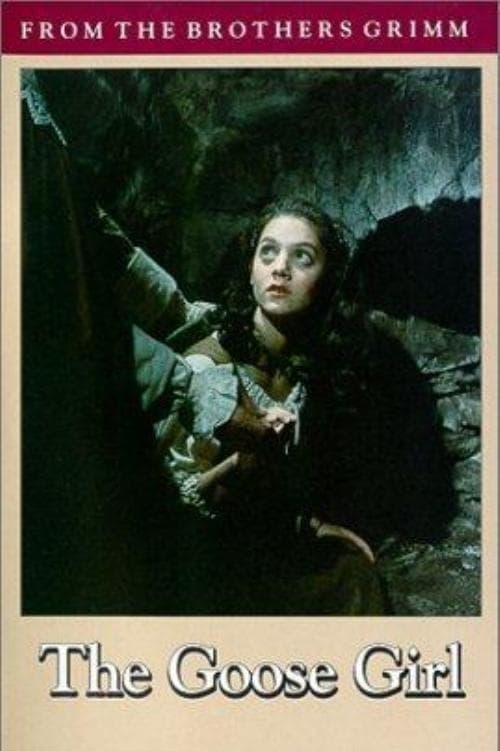
The Goose Girl
1957
No user ratings available yet
Representation score: 0.4 out of 10
Representation Score
Limited
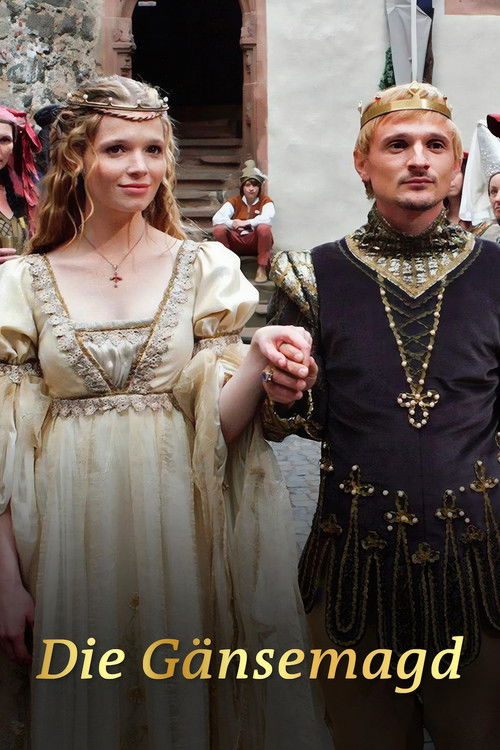
2009
Director
Sibylle Tafel
Runtime
58 minutes
Average Rating
No ratings yetNew Showbiz Analysis
Die Gänsemagd functions as a traditional genre piece that adheres to established historical and social hierarchies. While the plot is driven by female characters, it operates within a standard class-based conflict rather than subverting gendered power dynamics. The film reinforces conventional clichés of monarchy and lineage. It lacks a focus on diverse or progressive perspectives, focusing instead on a homogeneous, European-centric aesthetic common to classical Western folklore. Ultimately, the narrative prioritizes traditionalism over systemic deconstruction or diverse representation.
Category Breakdown
The story follows a typical romantic storyline focused on a heterosexual relationship. There is no depiction of non-traditional gender identities or critiques of traditional romance.
Female characters play key roles in driving the central conflict through deception and struggle. However, the roles of the Queen and Prince reinforce traditional patriarchal structures of marriage and lineage.
The setting suggests a localized, European-centric fairy tale. The narrative focuses on a homogeneous historical aesthetic without indications of diverse casting.
The plot relies on classical Western folklore themes such as monarchy and social status. It upholds the importance of social order and royal lineage.
There are no visible or invisible disabilities depicted in the narrative. Therefore, no assessment of representation or ability to act can be made.
Present on Screen
Limited or Absent
Official Synopsis
Princess Elisabeth, the beautiful only child of a widowed queen is sent off to marry the prince Leopold to whom she is betrothed. Before she leaves, her mother presents her with a small token. This token provides her with magical protection. However, the maidservant Magdalena, who accompanies the princess treats her very brutishly, and when circumstances cause the princess to lose her token, the maid seizes the opportunity to force the princess into trading places. She makes the princess switch clothes with her.
1957
2011

2008
2009
2008
2014
1937
2000
No reviews yet. Be the first to share your thoughts on this movie!
Use the rating form above to leave a star rating and optional review.