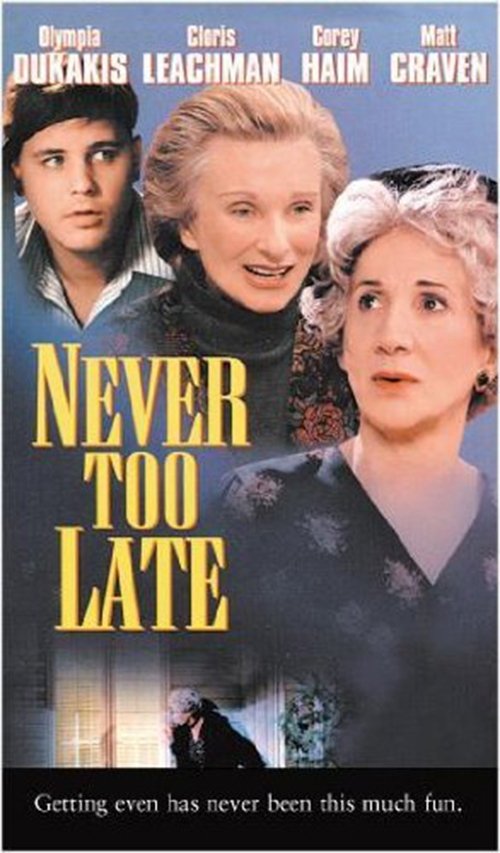
Never Too Late
1996
No user ratings available yet
Representation score: 3.3 out of 10
Representation Score
Good
1993
PG-13Director
Bill Duke
Runtime
107 minutes
Average Rating
No ratings yetNew Showbiz Analysis
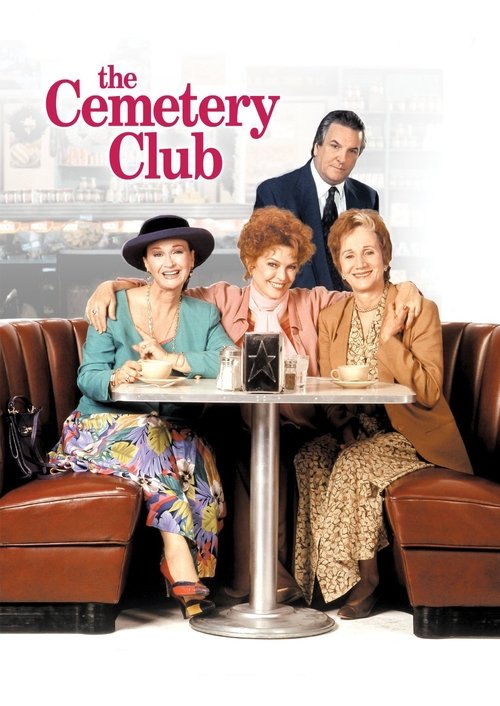
The Cemetery Club serves as a character-driven study of women's autonomy and friendship. It succeeds in shifting the narrative gaze toward the lived experiences of women, moving them away from secondary roles. However, the film remains largely within traditional social and romantic frameworks. It does not aggressively dismantle systemic hierarchies or provide significant representation for LGBTQ+ or disabled characters. Ultimately, the film offers a nuanced urban tapestry through its racial dynamics, even while adhering to conventional middle-class social structures.
Category Breakdown
The story focuses on traditional heterosexual relationships and the complexities of widowhood. It does not include explicit non-cisgender identities or narratives that challenge traditional romantic structures.
The film disrupts conventional gender roles by centering on women's ability to drive the story and their intellectual autonomy. It moves beyond domestic stereotypes to explore the internal lives of its protagonists.
While the central trio is predominantly White/Greek-American, the film includes Black characters and interracial dynamics. This prevents the urban setting from feeling like a monolithic social vacuum.
The narrative operates within established social institutions and middle-class urban life. It avoids rigid religious morality, opting for a secular exploration of grief and personal truth.
There is no significant focus on visible or invisible disabilities. The narrative does not utilize disability as a central theme or a tool for character development.
Present on Screen
Limited or Absent
Official Synopsis
The story of three Pittsburgh widows who meet every year to visit their husband's graves and talk about perspectives in their lives.
1996

1982

2002

1995
2005
1983

2006

2023
No reviews yet. Be the first to share your thoughts on this movie!
Use the rating form above to leave a star rating and optional review.