How Gay Is Pakistan?
2015
No user ratings available yet
Representation score: 7.0 out of 10
Representation Score
Good
2016
Director
Mark Kenneth Woods, Michael Yerxa
Runtime
71 minutes
Average Rating
No ratings yetNew Showbiz Analysis
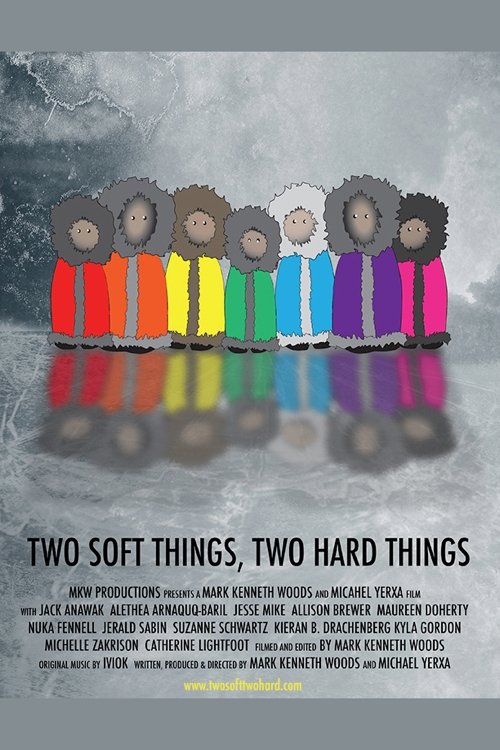
Two Soft Things, Two Hard Things is a profound exercise in storytelling that reflects multiple aspects of identity. It moves beyond simple inclusion by using the Inuit language to challenge colonial myths regarding sexuality and tradition. The film successfully reclaims historical truths that have been obscured by assumptions about straight relationships. By centering the narrative on the linguistic and social realities of LGBTQ+ Inuit individuals, the filmmakers disrupt conventional expectations of both indigenous and queer representation. Ultimately, the work functions as a powerful deconstruction of the traditional social order, replacing it with a culturally specific understanding of identity.
Category Breakdown
The film focuses on the lived experiences of LGBTQ+ individuals within Inuit culture. It validates these identities using the Inuktitut language, showing that they are part of historical realities rather than modern choices.
The documentary disrupts traditional hierarchies by exploring gender expression through specific Inuktitut terms. It moves beyond Western binaries to offer a nuanced view of intimacy and identity.
The narrative provides a significant role in driving the story to the Inuit people, centering indigenous voices. It highlights how colonial narratives have historically erased the complexities of indigenous social structures.
The film challenges Western-centric morality by presenting indigenous concepts of sexuality. It critiques the colonial imposition of the assumption that everyone is straight or cisgender as a systemic byproduct of Western influence.
There is no explicit evidence regarding the portrayal of physical or neurodivergent disabilities in the film.
Present on Screen
Limited or Absent
Official Synopsis
A new film about homosexuality in the Inuit society shines a light on an often forgotten group of people. The Inuits are indigenous tribes who come from the northern territories of Canada. The word “inuit” means “the people” in the Inuktitut language. It is commonly believed that homosexuality does not exist in Inuit society, or is a choice, but documentary filmmakers Mark Kenneth Woods and Michael Yerxa aim to prove this untrue in their documentary, Two Soft Things, Two Hard Things. The title for the film comes from the Inuit word for homosexuals. The word for lesbians translates to “two soft things rubbing against each other” and the word for gay men means “two hard things rubbing against each other.”
2015
1996

2016
2010

2012
2005
2013
2009
No reviews yet. Be the first to share your thoughts on this movie!
Use the rating form above to leave a star rating and optional review.