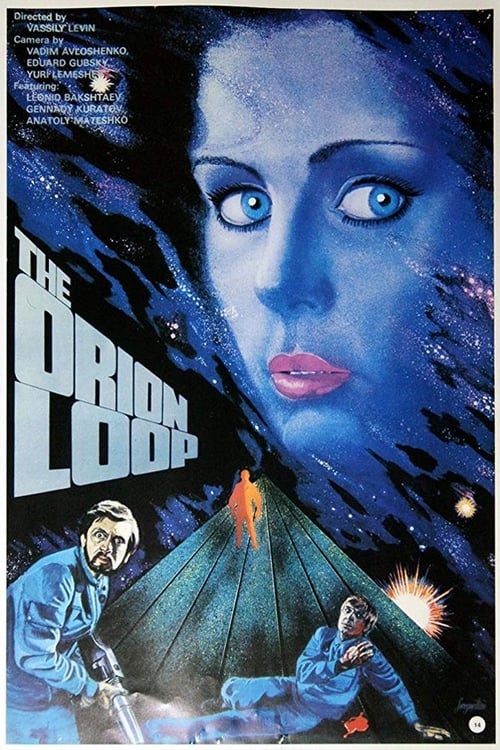
The Orion Loop
1980
No user ratings available yet
Diversity score: 5.4 out of 10
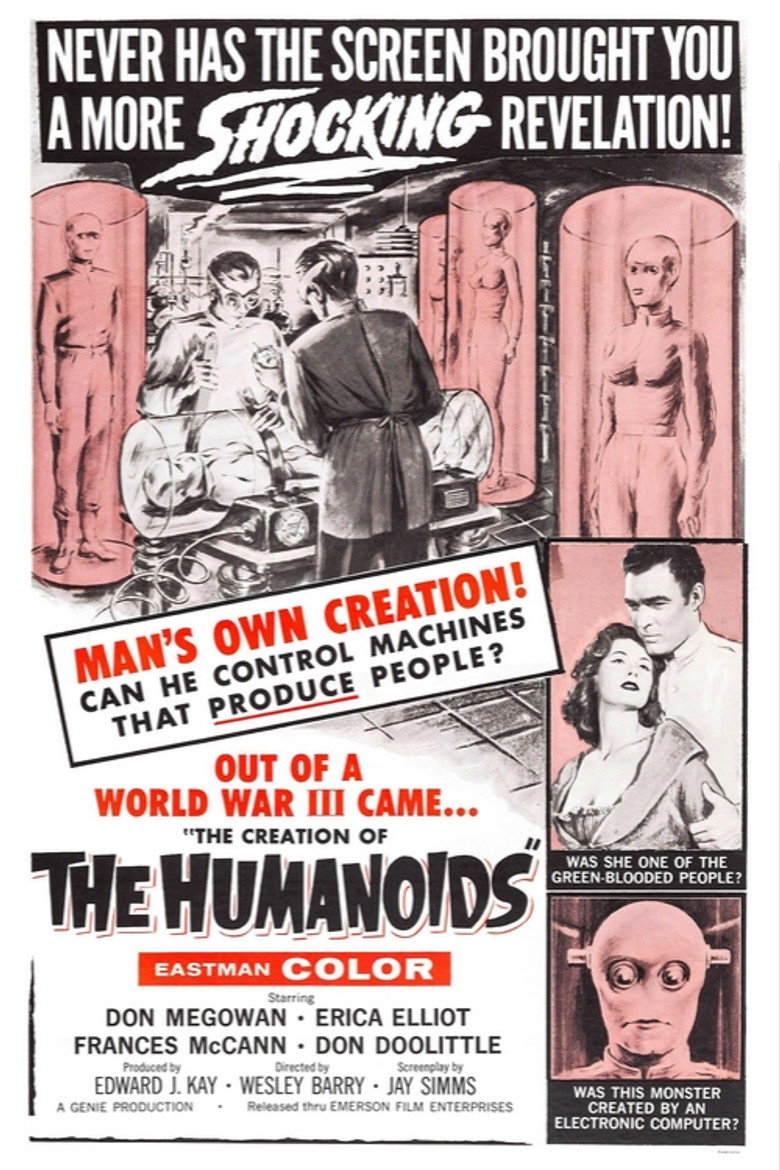
1962
Director
Wesley Barry
Runtime
75 minutes
Average Rating
No ratings yetSynopsis
Many years after a nuclear war, the human survivors have created a new society where much of the work done by androids, referred to derisively by humans as "clickers". A police official who is concerned that his sister has become involved with an android is sent to investigate a larger rumor that the androids are developing reason and emotion.
Overall Score
Fair
Category Breakdown
LGBTQ+ Representation
The plot hints at a disruption of social norms through a human's involvement with an android. This subtext suggests a challenge to traditional hierarchies, though the specific nature of the intimacy remains undefined.
Gender Representation
The story centers on a male police official and his sister. While the sister triggers the investigation, the narrative architecture focuses on the male protagonist rather than elevating female agency.
Racial & Ethnic Diversity
The post-nuclear setting focuses on the divide between humans and androids. There is little evidence regarding the ethnic composition of the survivors, prioritizing species-based hierarchy over racial diversity.
Religious & Cultural Diversity
The film offers a strong critique of systemic dehumanization. By exploring the androids' developing emotions, the narrative mirrors real-world struggles for recognition by marginalized groups against institutional oppression.
Disability Representation
The exploration of artificial existence offers a speculative parallel to neurodivergence. However, because the androids are a separate species rather than humans with disabilities, the connection remains indirect.
Strengths
Areas for Improvement
AI Analysis
The film uses the science fiction trope of the 'artificial other' to examine empathy and systemic classification. It functions as a structural critique of how dominant groups treat perceived outsiders. While the film lacks overt representation of protected identity groups, its core tension lies in the emergence of sentient life. This provides a framework for discussing the ethics of personhood and social hierarchies. Ultimately, the work is anchored in mid-century storytelling traditions. It leans more toward philosophical speculation about consciousness than toward a diverse, intersectional character study.
1980
1984

1963

2019
1981
1989
1996

2014
2016

1960
1954

2006
No reviews yet. Be the first to share your thoughts on this movie!
Use the rating form above to leave a star rating and optional review.