
Me Too
2009
No user ratings available yet
Representation score: 9.2 out of 10
Representation Score
Fair
2014
Director
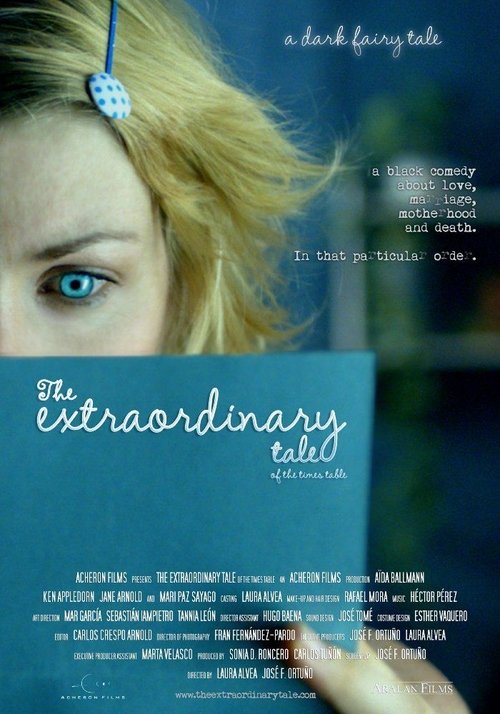
Laura Alvea, José F. Ortuño
Runtime
79 minutes
Average Rating
No ratings yetNew Showbiz Analysis
The film offers a nuanced character study by integrating neurodivergence into a romantic drama. By centering a character with OCD, the story delves into psychological depth beyond simple romantic clichés. However, the film remains largely traditional in its social structure. The romantic arc follows a standard boy-meets-girl trajectory, and the resolution suggests a conventional happy ending rather than a deconstruction of systemic issues. Ultimately, while the film highlights an invisible disability effectively, it lacks broader complexity regarding race, gender, or LGBTQ+ identities.
Category Breakdown
The film follows a typical heterosexual romantic storyline without addressing non-traditional gender identities or questioning traditional romantic structures.
The story follows conventional storytelling methods and does not deviate from traditional masculine and feminine roles.
The provided information contains no details regarding the racial or ethnic composition of the cast or the setting. Consequently, no assessment can be made.
The film explores psychological complexity by focusing on a character with OCD. However, the 'happily ever after' conclusion might oversimplify the resolution of these struggles.
The narrative provides meaningful representation by making a mental health condition central to the plot, giving the character a significant role in navigating both personal relationships and psychological realities.
Present on Screen
Limited or Absent
Official Synopsis
Boy meets girl, boy falls in love with girl, girl suffers an obsessive compulsive disorder, boy and girl live happily ever after.
2009

2014
2013

2010

2014
2019
2020
2011
No reviews yet. Be the first to share your thoughts on this movie!
Use the rating form above to leave a star rating and optional review.