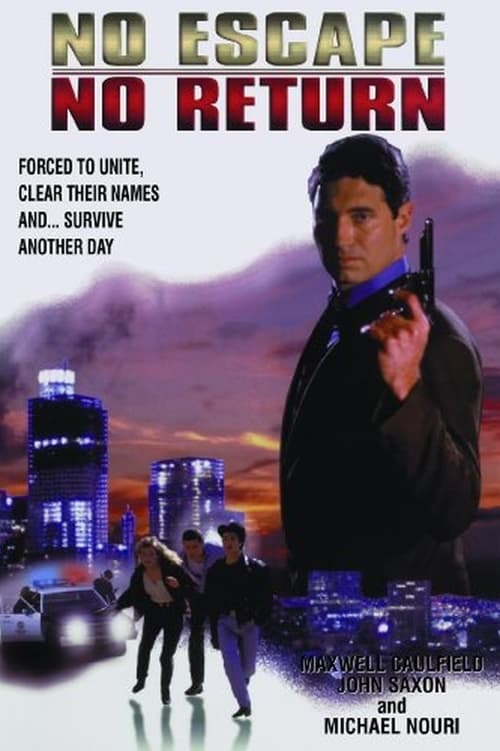
No Escape, No Return
1993
No user ratings available yet
Representation score: 1.8 out of 10
Representation Score
Limited
1990
RDirector
John Mackenzie
Runtime
106 minutes
Average Rating
No ratings yetNew Showbiz Analysis
The film is a gritty crime drama that prioritizes institutional skepticism over social inclusivity. While it succeeds in reflecting a multicultural urban landscape through its casting, it remains deeply rooted in the gendered clichés of its era. The narrative's strength lies in its portrayal of systemic corruption rather than individual heroism. However, this thematic depth does not extend to social diversity, as the film lacks LGBTQ+ visibility and women's ability to drive the story. Ultimately, the work functions as a study of moral ambiguity within a male-dominated hierarchy, offering racial breadth but failing to challenge traditional gender or sexual norms.
Category Breakdown
The film operates within a strictly heterosexual and cisgender framework. There is no evidence of non-binary or same-sex relationships in the narrative.
The story centers on male hierarchies and male-centric professional dynamics. A lack of female characters in leadership roles reinforces a traditional patriarchal structure.
The Miami setting allows for a multicultural landscape. Significant representation of Black and Hispanic actors helps the film avoid a homogeneous white norm.
The film critiques Western institutions by portraying the police force as inherently corrupt. It explores moral relativism through protagonists who use anti-social methods.
There is no discernible focus on visible or invisible disabilities within the character details or narrative.
Present on Screen
Limited or Absent
Official Synopsis
An elite group of vice cops are fired from the L.A.P.D. for being over-zealous in their war against drugs. It is immediately apparent that some of their superiors are involved in the drug ring. Banded together, four of the banned cops (which quickly becomes three when one is killed early) band together to fight the drug ring undercover. They gain capital for weapons by ripping off minor drug dealers. Then well-armed they go after the kingpin (Boyd).
1993
1983
2003

1991
1987
1995
1974
1972
No reviews yet. Be the first to share your thoughts on this movie!
Use the rating form above to leave a star rating and optional review.