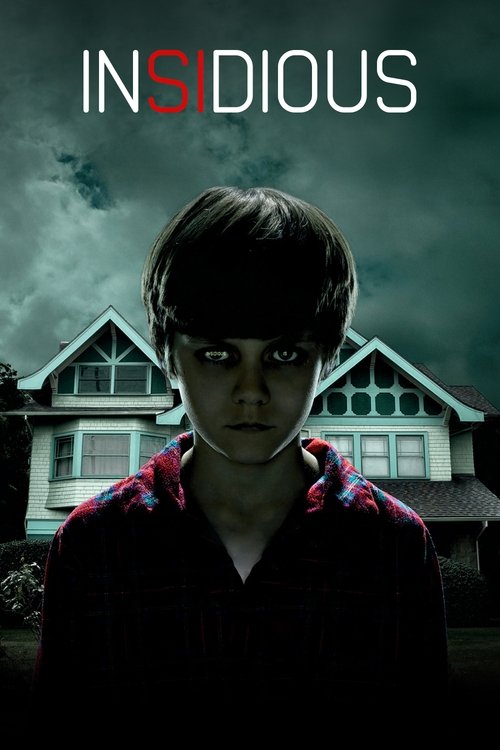
Insidious
2011
No user ratings available yet
Representation score: 2.4 out of 10
Representation Score
Minimal
2013
PG-13Director
James Wan
Runtime
106 minutes
Average Rating
No ratings yetNew Showbiz Analysis
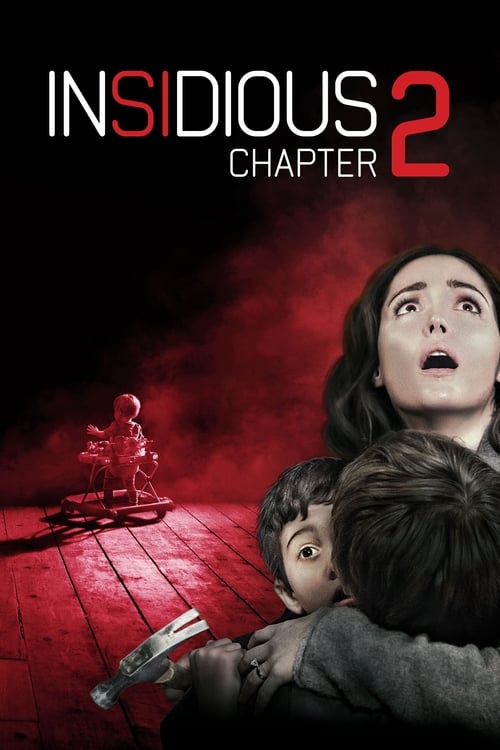
Insidious: Chapter 2 is a conventional horror entry that prioritizes supernatural tension over social critique. The narrative relies heavily on traditional Western archetypes, focusing almost exclusively on a white, middle-class nuclear family. This creates a streamlined but homogeneous viewing experience. While the film provides some ability to act to its female lead, the central conflict remains anchored in patriarchal struggles for sovereignty. The lack of diverse perspectives keeps the story within a very narrow social framework. Ultimately, the film functions as a genre piece that reinforces existing social hierarchies and traditional domestic structures rather than challenging them.
Category Breakdown
The film follows a strictly straight-centered structure focused on a nuclear family. There is no presence of non-traditional gender identities or same-sex relationships.
Renai Lambert plays a significant role as a protective mother, but the plot focuses on the father's struggle for autonomy. The film reinforces traditional gender roles and familial responsibilities.
The story focuses on a homogeneous, white, middle-class family. It lacks characters of color with significant roles or diverse ethnic perspectives.
The narrative centers on the sanctity of the traditional family unit. It operates within a standard Western moral binary without engaging in broader cultural critiques.
Themes of possession and fractured mental states are used as supernatural plot devices. These clichés avoid nuanced portrayals of lived experiences of neurodivergence or disability.
Present on Screen
Limited or Absent
Official Synopsis
The haunted Lambert family seeks to uncover the mysterious childhood secret that has left them dangerously connected to the spirit world.
2011
1988
2016
2012
2013
2015

2014

2014
No reviews yet. Be the first to share your thoughts on this movie!
Use the rating form above to leave a star rating and optional review.