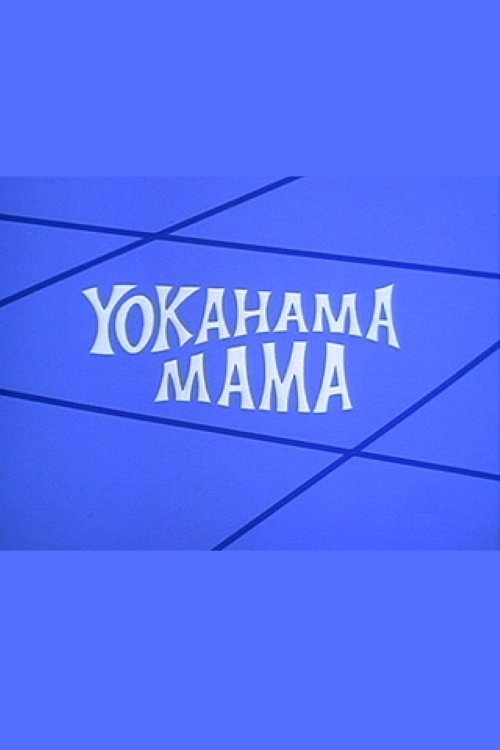
Yokahama Mama
1972
No user ratings available yet
Representation score: 3.0 out of 10
No Poster Available
Representation Score
Limited
1971
GDirector
Gerry Chiniquy
Runtime
6 minutes
Average Rating
No ratings yetNew Showbiz Analysis
The film explores progressive themes by focusing on unconventional family structures. It challenges traditional biological reproduction through adoption. However, it lacks depth in addressing gender roles, racial diversity, and disability, limiting its social commentary scope.
Category Breakdown
The film explores forming a family through adoption rather than biological means. It doesn't show same-sex intimacy but challenges traditional reproductive methods by using an egg donor.
The story centers on Poncho and Toro’s parental roles. It's unclear if they break down gender stereotypes or follow typical masculine and feminine roles.
Information regarding character designs, skin tones, or ethnic backgrounds is unavailable. The animated nature of the characters makes it impossible to assess racial diversity or ethnic metaphors.
The film emphasizes chosen family over blood ties, subtly criticizing traditional Western family structures.
The film does not include characters with visible or invisible disabilities, nor does it address neurodivergent issues.
Present on Screen
Limited or Absent
Official Synopsis
Proud parents Poncho and Toro "adopt" Crazylegs Crane when they "find" his egg.
1972
1974
1975
1978
1971
1973
1948
1975
No reviews yet. Be the first to share your thoughts on this movie!
Use the rating form above to leave a star rating and optional review.