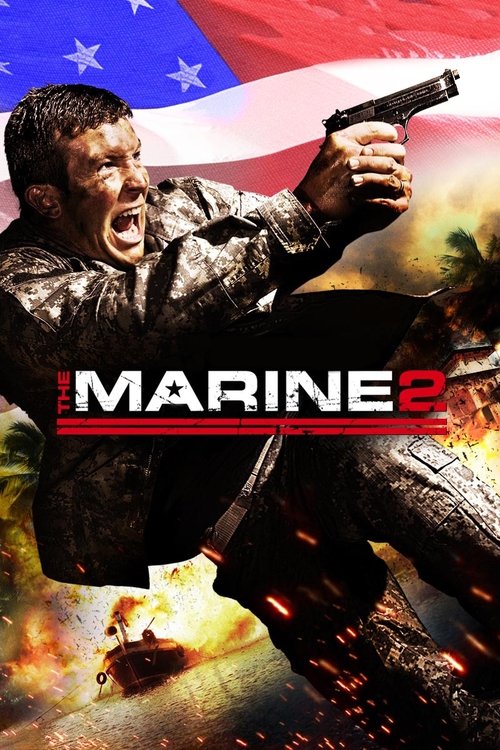
The Marine 2
2009
No user ratings available yet
Representation score: 0.5 out of 10
Representation Score
Minimal
2006
RDirector
Simon Fellows
Runtime
91 minutes
Average Rating
No ratings yetNew Showbiz Analysis
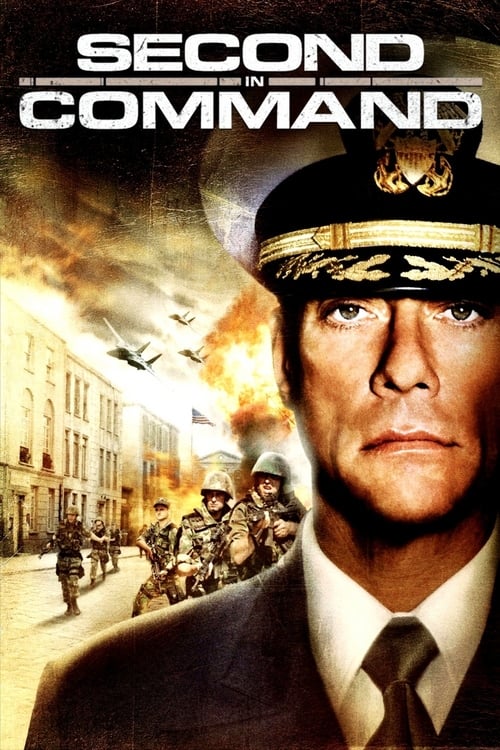
Second in Command is a conventional action film that prioritizes physical prowess and traditional genre clichés over social complexity. The narrative structure relies heavily on Western-centric power dynamics and the archetype of the hyper-masculine hero to drive the plot. While the Eastern European setting provides a backdrop for geopolitical tension, the film lacks meaningful roles for non-Western characters. Instead, it positions them as the primary drivers of chaos, reinforcing a standard Western interventionist perspective. Ultimately, the film offers very little in the way of diverse representation. It functions as a standard genre piece where characters are defined by their combat abilities rather than by their diverse identities or complex social roles.
Category Breakdown
The film does not include any LGBTQ+ characters or non-cisgender identities. It follows the straight-centered structures typical of mid-2000s action cinema.
The male lead, Sam Keenan, dominates the story with his physical strength. Female characters are mostly in secondary or passive roles.
The story focuses on Western protagonists dealing with a crisis in Eastern Europe. Non-Western characters have limited roles and often serve as sources of instability.
The narrative emphasizes Western geopolitical frameworks and the importance of individualist heroism. It does not challenge Western institutions or provide cultural depth.
There is no representation of physical, sensory, or neurodivergent disabilities. Characters are defined solely by their peak physical performance.
Present on Screen
Limited or Absent
Official Synopsis
Armed insurgents attempt a coup d'etat in a troubled Eastern European country, and the president flees to the U.S. embassy for protection. When the U.S. ambassador is murdered by the ruthless and gun-happy rebels, it comes down to the second-in-command of the embassy, Sam Keenan, played by Belgian kickboxer Jean-Claude Van Damme, to use his amazing martial arts technique to defend the besieged.
2009
1978
2016
1980
1985
2000
2013
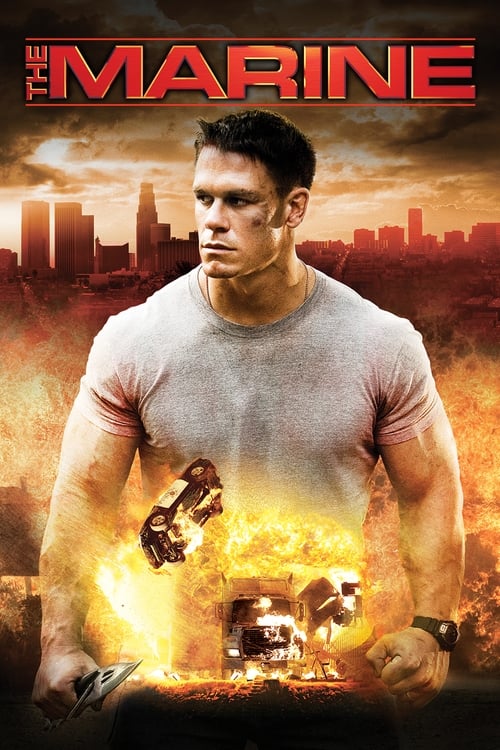
2006
No reviews yet. Be the first to share your thoughts on this movie!
Use the rating form above to leave a star rating and optional review.