
A Happy Man
2023
No user ratings available yet
Diversity score: 7.6 out of 10
1990
Director
Jonathan Nossiter
Runtime
83 minutes
Average Rating
No ratings yetSynopsis
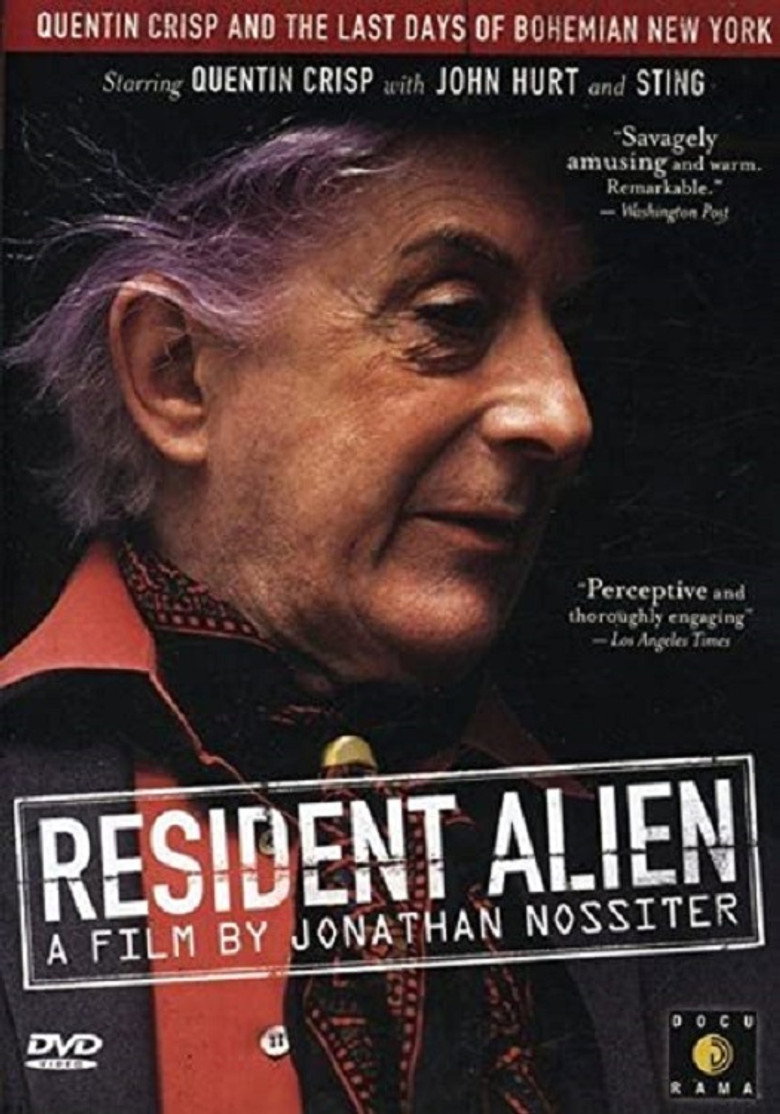
At age 73, writer and melancholy master of the bon mot, Quentin Crisp (1908-1999), became an Englishman in New York. Nossiter's camera follows Crisp about the streets of Manhattan, where Crisp seems very much at home, wearing eye shadow, appearing on a makeshift stage, making and repeating wry observations, talking to John Hurt (who played Crisp in the autobiographical TV movie, "The Naked Civil Servant"), and dining with friends. Others who know Crisp comment on him, on his life as an openly gay man with an effeminate manner, and on his place in the history of gays' social struggle. The portrait that emerges is of one wit and of suffering.
Overall Score
Good
Category Breakdown
LGBTQ+ Representation
The film acts as a seminal document of queer visibility. It centers on an openly gay man whose presence challenges heteronormative standards. Crisp's history within the gay rights struggle provides a narrative of agency.
Gender Representation
The documentary subverts traditional gender hierarchies through Crisp's use of cosmetics. By embracing aesthetics coded as feminine, the film challenges the rigidity of gender performance and patriarchal presentation.
Racial & Ethnic Diversity
The narrative is a localized character study set in Manhattan. While not promoting homogeneity, the focus remains on queer identity and urban life rather than a multi-ethnic ensemble.
Religious & Cultural Diversity
The film excels in depicting an outsider perspective. It prioritizes an individualistic, secular, and intellectualized worldview over traditional religious or patriotic frameworks, using the subject's 'alien' status as a critique.
Disability Representation
The film explores psychological suffering and social alienation. However, it does not explicitly center on physical or neurodivergent disability as a primary narrative driver or central plot point.
Strengths
Areas for Improvement
AI Analysis
Resident Alien is a profound study of identity and the subversion of social hierarchies. By centering on Quentin Crisp, the film disrupts conventional expectations of masculinity and social integration through his deliberate non-conformity. The documentary succeeds by framing the subject's outsider status as a sophisticated vantage point. It effectively challenges mainstream cultural expectations by prioritizing the agency of a non-conforming individual. While the film excels in queer and gender representation, its scope is limited to a specific cultural milieu in Manhattan. This narrow focus results in lower scores for racial and disability representation.
2023

1993

2017

2015

2002

2017

2011

2010

2014

2000

2009

2018
No reviews yet. Be the first to share your thoughts on this movie!
Use the rating form above to leave a star rating and optional review.