
Infernal Symphony
1987
No user ratings available yet
Representation score: 3.7 out of 10
Representation Score
Minimal
1984
Director
R.O. Blechman, Christian Blackwood
Runtime
51 minutes
Average Rating
No ratings yetNew Showbiz Analysis
The Soldier's Tale is a minimalist animation that emphasizes allegorical depth over broad demographic representation. It functions as a moral fable, using a Faustian bargain to explore themes of loss and temptation through a narrow symbolic lens. While the film offers a sophisticated deconstruction of traditional heroism and military glory, it lacks meaningful engagement with identity-based representation. The narrative architecture is designed to examine the human condition through archetypes rather than a diverse social spectrum. Ultimately, the work excels in thematic complexity regarding morality but fails to provide a diverse cast of characters.
Category Breakdown
The film does not include any LGBTQ+ characters or non-cisgender identities. The story focuses solely on a male protagonist and a supernatural antagonist.
The story centers around a traditional male soldier archetype. There are no female characters or significant gender subversions.
The synopsis does not indicate any diverse cast or race-bent casting. The character archetypes suggest a classical, potentially Eurocentric folklore framework.
The film explores ethical dilemmas by presenting the Devil as a transactional figure. This approach challenges singular religious absolutes in favor of a more complex, secular morality.
There is no evidence of characters with visible or invisible disabilities. The narrative does not address disability representation.
Present on Screen
Limited or Absent
Official Synopsis
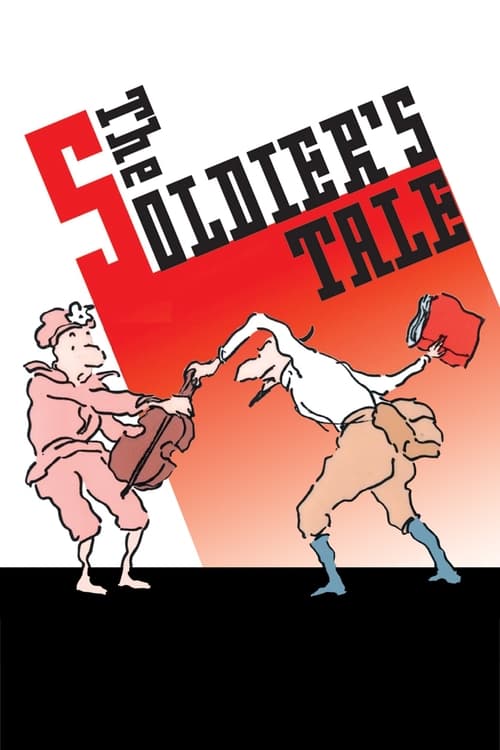
A soldier, returning home from war, chances upon a stranger who offers to buy his violin. The stranger is none other than the devil.
1987

1973

1976
1992
1988

1984

1949
1978
No reviews yet. Be the first to share your thoughts on this movie!
Use the rating form above to leave a star rating and optional review.