
Me, You, He, She
2018
No user ratings available yet
Representation score: 3.6 out of 10
Representation Score
Fair
2016
Director
Anna Matison
Runtime
95 minutes
Average Rating
No ratings yetNew Showbiz Analysis
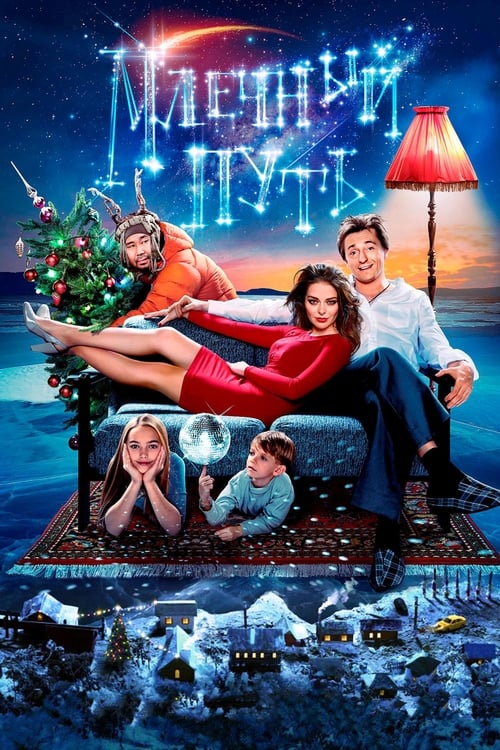
Milky Way is a nuanced character study that questions the idealized nuclear family structure. It emphasizes emotional depth and personal experience over rigid social norms. The film successfully challenges the idea of an unbreakable patriarchal head by focusing on the instability of marriage. It employs a poetic, non-linear narrative to explore the dissolution of societal norms. However, the film lacks explicit representation of LGBTQ+ identities and does not provide any information about characters with disabilities or specific ethnic casting. The focus remains primarily on a single, traditional family unit.
Category Breakdown
The story focuses on a married couple, Andrey and Nadia, facing a crisis within a traditional relationship. There are no visible LGBTQ+ characters or non-conforming gender identities in the main storyline.
The film challenges typical family dynamics by highlighting Nadia's journey through a troubled home life. It avoids traditional patriarchal roles by showing the household as a place of instability rather than stability.
Set in Irkutsk and Olkhon Island, the film highlights a region known for its indigenous communities. However, the story focuses solely on a specific family unit without confirming any diverse casting.
The narrative emphasizes personal and emotional experiences over strict social or religious rules. The 'magical night' theme suggests a preference for subjective spirituality over structured beliefs.
The film does not mention any characters with physical, neurodivergent, or mental health conditions. There is no information to evaluate the representation of disabilities in this film.
Present on Screen
Limited or Absent
Official Synopsis
Something broke down in Andrey and Nadia's marriage. He goes to live in Moscow, she and the children stay in Irkutsk. On New Year's Eve, the family gets together again, but it seems to be the last time. The word "divorce" sounds quite definite. On January 1, it would seem that everything has already been decided, but a whole chain of events - funny, sad, sometimes even strange and inexplicable - seems to be keeping the family from taking the wrong step. They will all get lost and find each other on this magical night on the island of Olkhon and realize that past grievances are easy to forget, but there is something much more important in life.
2018

2011

2019
2016

2021

2017
2016

2022
No reviews yet. Be the first to share your thoughts on this movie!
Use the rating form above to leave a star rating and optional review.