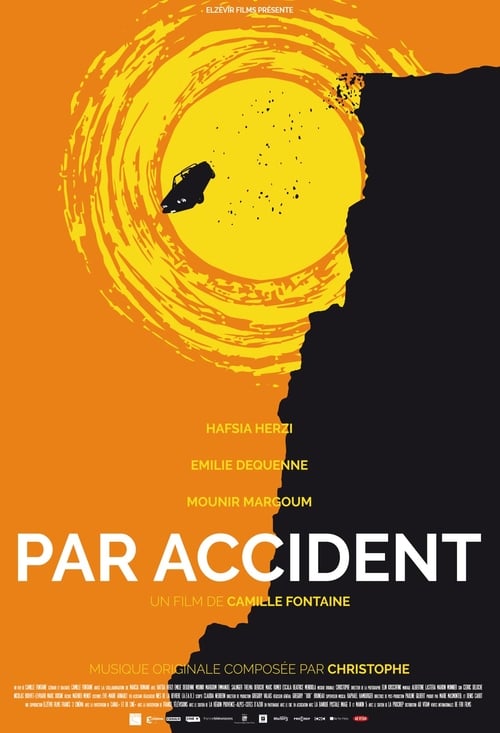
Par accident
2015
No user ratings available yet
Diversity score: 6.5 out of 10
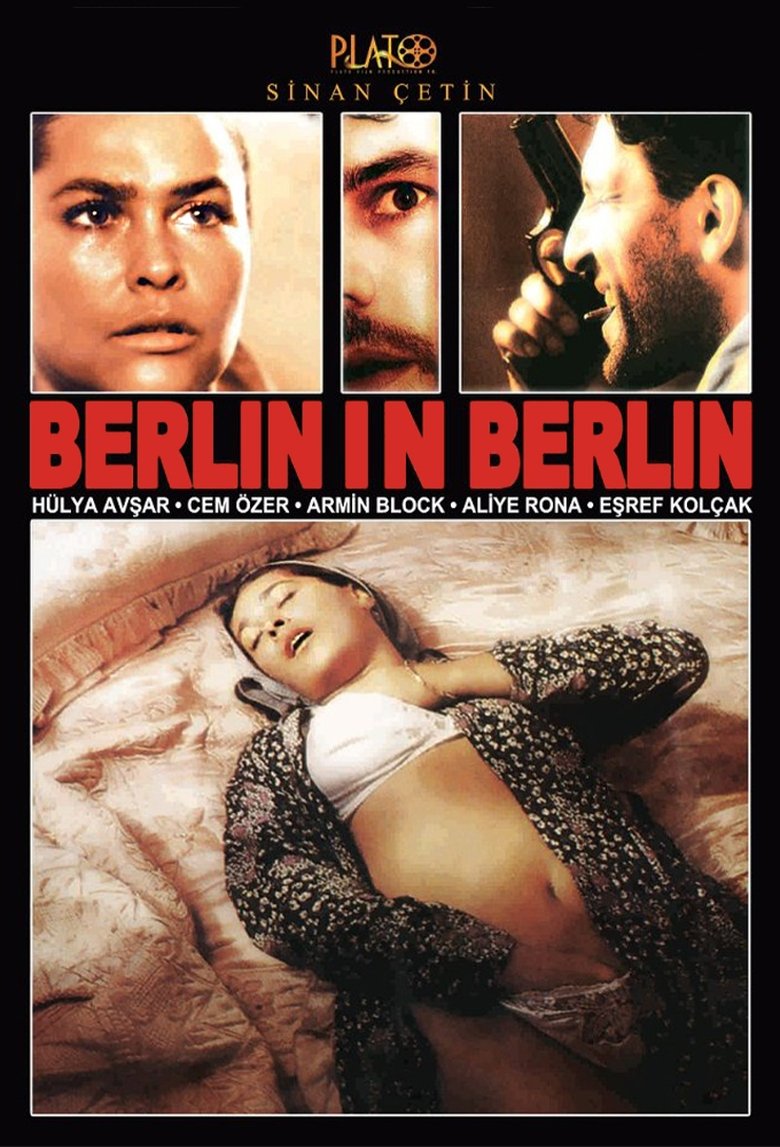
1993
Director
Sinan Çetin
Runtime
99 minutes
Average Rating
No ratings yetSynopsis
A young German engineer photographs a beautiful Turkish woman without her permission. Her husband finds out and starts a fight. In the midst of the argument the German engineer accidentally kills the husband.
Overall Score
Good
Category Breakdown
LGBTQ+ Representation
The film does not explicitly center queer narratives or non-heteronormative identities. Conflicts are framed through traditional ethnic and gendered dynamics without actively subverting heteronormativity.
Gender Representation
The plot focuses on patriarchal friction and male-driven conflict following a dispute over a woman's image. While a Turkish woman is central to the tension, the narrative drivers remain largely male-centric.
Racial & Ethnic Diversity
The film excels by centering the Turkish-German experience and disrupting homogeneous depictions of German life. It uses the diaspora's struggle for identity as a primary lens for the story.
Religious & Cultural Diversity
The narrative offers a sophisticated critique of Western social structures and the marginalization of immigrants. It explores the friction between outsider identities and the established German social order.
Disability Representation
There are no prominent depictions of visible or invisible disabilities that serve as central character traits or drive the narrative.
Strengths
Areas for Improvement
AI Analysis
Sinan Çetin’s work is a vital contribution to migrant cinema, moving beyond tokenism to make the Turkish-German experience the foundation of the story. The film successfully challenges the idea of a homogeneous German identity by centering the diaspora's struggle within the urban landscape of Berlin. However, the film's impact is limited by its traditional narrative structures. The plot relies heavily on male-driven conflict and patriarchal friction, which restricts the agency of female characters. Additionally, the absence of LGBTQ+ or disability representation leaves certain social dimensions unexplored. Ultimately, the film's strength lies in its intersectional approach to race and culture. It provides a complex look at systemic struggles and the friction between immigrant populations and Western social institutions.
2015

2015
2016
2003
2005
2009
2003
2014
2014

2010

2015

1994
No reviews yet. Be the first to share your thoughts on this movie!
Use the rating form above to leave a star rating and optional review.