
Smriti Medur
2009
No user ratings available yet
Representation score: 4.3 out of 10
No Poster Available
Representation Score
Limited
2010
UDirector
Prodip Saha
Average Rating
No ratings yetNew Showbiz Analysis
Shono Mon Boli Tomay operates within the conventional boundaries of regional romantic cinema. The film adheres to established genre clichés rather than attempting to disrupt social hierarchies or offer radical representation. The narrative structure focuses on standard romantic archetypes. This approach results in a reliance on traditional gender dynamics and heterosexual relationships common to the genre's mainstream output. While the film centers its specific cultural demographic, it lacks intentionality toward diverse representation. It functions as a standard entry that reinforces, rather than challenges, existing social and cultural norms.
Category Breakdown
The film presents a traditional romance without any clear representation of LGBTQ+ identities. It seems to prioritize heterosexual relationships typical of mainstream romantic media.
The narrative likely follows established gender roles common in the romance genre. There is no indication of challenging traditional gender hierarchies or depicting masculinity in unconventional ways.
As a piece of regional Bengali cinema, the film centers on specific ethnic identities. There is no evidence of a multi-ethnic cast or intentional blending of diverse backgrounds.
The story suggests a reliance on traditional social structures related to family and courtship. It lacks themes of secularism or cultural deconstruction that would challenge institutional norms.
There is no mention of characters with visible or invisible disabilities. The narrative does not provide any evidence of characters navigating life with impairments or disabilities.
Present on Screen
Limited or Absent
Official Synopsis
A regular romance.
2009

2011
1999

2024
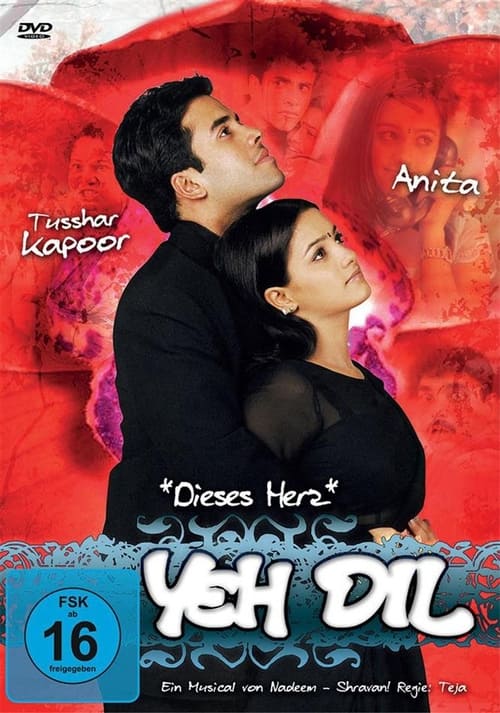
2003

1993

2010

2008
No reviews yet. Be the first to share your thoughts on this movie!
Use the rating form above to leave a star rating and optional review.