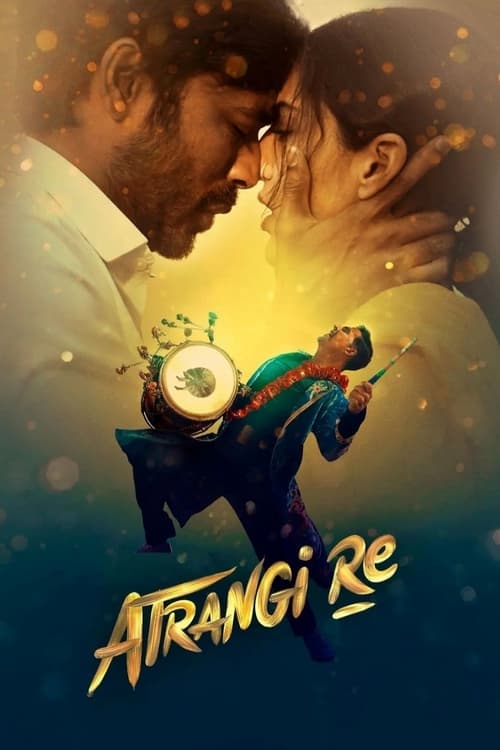
Atrangi Re
2021
No user ratings available yet
Representation score: 7.6 out of 10

Representation Score
Limited
2010
Director
Sujit Mondal
Runtime
160 minutes
Average Rating
No ratings yetNew Showbiz Analysis
The film presents a narrative of resistance against patriarchal authority. By framing marriage as a strategic move for the bride to avoid an arranged union, the story emphasizes individual autonomy over traditional social norms. While the film centers South Asian cultural identities, it lacks depth in representing diverse identities. There is no evidence of LGBTQ+ or disability inclusion, which limits the scope of its progressive themes. Ultimately, the work functions as a critique of traditional domestic hierarchies, though its broader demographic complexity remains unverified.
Category Breakdown
The film does not include any characters with non-straight sexual orientations or gender identities. There are no queer characters mentioned in the synopsis.
The bride uses marriage as a strategy to assert her independence and resist her father's wishes. This challenges traditional gender roles and highlights her personal autonomy.
As a Bengali production, the film focuses on South Asian identities and offers a culturally specific narrative that moves away from Anglo-centric storytelling.
The plot criticizes traditional family structures by emphasizing personal autonomy over arranged marriage customs. The family is portrayed as an obstacle to be overcome.
There is no evidence of neurodivergent or physically disabled characters in the film. No representation in this area is documented.
Present on Screen
Limited or Absent
Official Synopsis
A couple marry in order to save the bride from her father's choice of groom, but they don't actually love each other. It's "make it work" time.
2021

2018

2013
2011

2014
2022
2015

2009
No reviews yet. Be the first to share your thoughts on this movie!
Use the rating form above to leave a star rating and optional review.