Otter 501
2012
No user ratings available yet
Representation score: 2.5 out of 10
Representation Score
Good
2013
Director
David Yates
Runtime
94 minutes
Average Rating
No ratings yetNew Showbiz Analysis
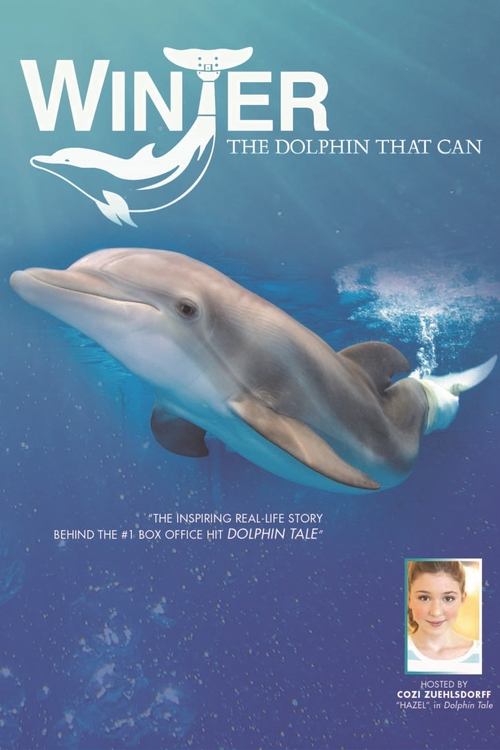
The documentary shines in its portrayal of physical disability and resilience, linking Winter's prosthetic tail research to human medical progress. This connection transforms the subject from a spectacle into a catalyst for scientific advancement. While the film excels in disability representation, it remains largely neutral regarding other identity markers. The narrative focuses on the universal bond between humans and animals rather than exploring specific social hierarchies or identity politics. Ultimately, the film offers a nuanced look at neuro-physical adaptation, succeeding as an optimistic study of survival and medical innovation, even if it lacks explicit engagement with broader cultural or gender-based issues.
Category Breakdown
The documentary focuses on interspecies rescue and rehabilitation. There is no explicit mention of LGBTQ+ characters or narratives addressing non-straight relationships.
The film highlights the resilience of female dolphins, particularly Winter, and emphasizes the ability to act of the care team in her rehabilitation.
The story aims for broad, cross-cultural appeal by framing the rescue as a universal, inspiring event. However, there is no evidence of specific racial diversity or intentional casting strategies.
The film presents a narrative of healing and communal joy through scientific collaboration. It leans toward an optimistic worldview centered on miracles and social cohesion.
This is the film's strongest area, centering on a subject adapting to life without a tail. It connects animal rehabilitation to medical advancements for human amputees.
Present on Screen
Limited or Absent
Official Synopsis
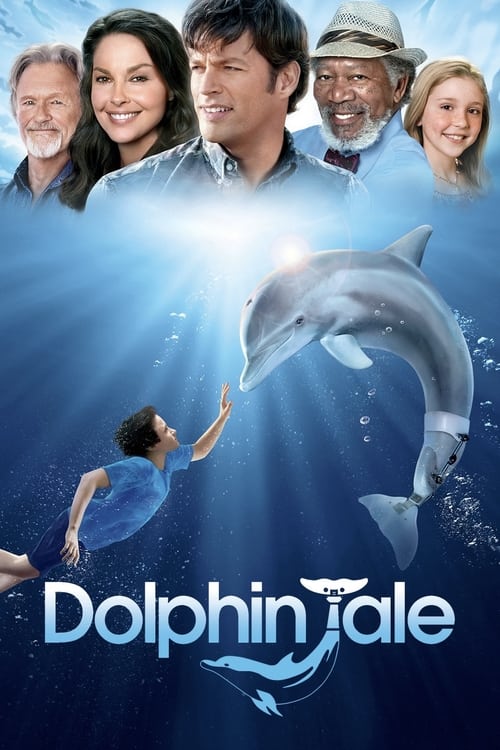
A baby dolphin caught in a crab trap rope is rescued, beginning a series of events that has become one of the most inspiring stories of our generation. Travel behind the scenes of Winter’s amazing story. See footage of the rescue, and follow her through the trials of losing her tail, learning to swim without a tail, and the miracle of swimming again with her new prosthetic tail. Learn how the tail research is now helping human amputees. Hear from the Clearwater Marine Aquarium team, and experience the joy of children and wounded soldiers who have found her to be a life-changing role model.
2012
2016
2011

2004

2020

2014

2016
2011
No reviews yet. Be the first to share your thoughts on this movie!
Use the rating form above to leave a star rating and optional review.