
Leap of Faith: William Friedkin on The Exorcist
2019
No user ratings available yet
Representation score: 3.5 out of 10
Representation Score
Minimal
2026
Director
David Kittredge
Runtime
112 minutes
Average Rating
No ratings yetNew Showbiz Analysis
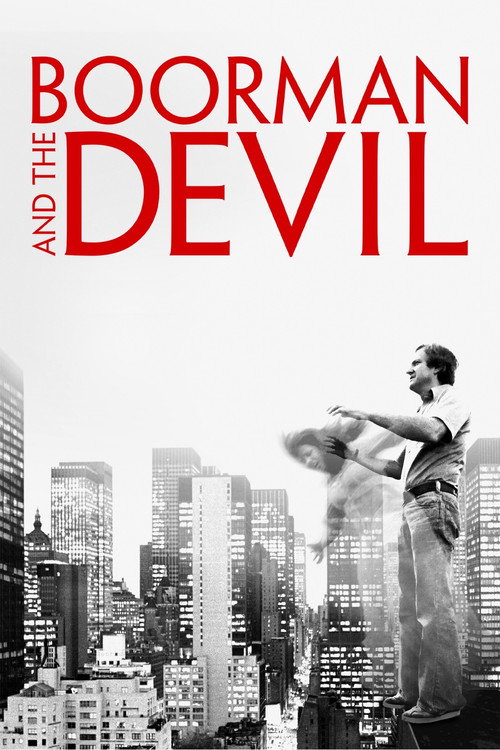
The documentary opens with the ghostly, unfinished sets of Exorcist II: The Heretic, a visual metaphor for the creative ambition that outpaced its own execution. David Kittredge’s film argues that John Boorman’s 1977 disaster was not a failure of craft but a casualty of Hollywood’s inability to accommodate genuine artistic risk. The sold meaning is clear: the director is a tragic hero, crushed by the machine, and the film’s infamy is a badge of integrity. The camera loves Boorman’s vision, framing his choices as noble and the studio’s interference as petty. However, the film’s internal logic pulls against its romanticism. By treating the studio system as a monolithic villain, it ignores the collaborative labor of the crew and the financial realities that made such risks possible. The “risk” is framed as purely aesthetic, detached from the economic consequences for the workers who built the sets. The ending settles on Boorman’s later success, suggesting that the industry eventually learned to respect the auteur, a neat moral verdict that smooths over the systemic inequalities of the era. The film is a fascinating autopsy of a specific Hollywood moment, but its liberal performance of artistic freedom masks the traditional hierarchies that enabled it.
Category Breakdown
No queer identities appear in interviews or archival footage. The narrative tracks heterosexual industry dynamics exclusively, leaving LGBTQ+ perspectives entirely absent from the documentary’s scope.
Male directors drive the creative vision and failure. Women appear as subjects of the gaze or secondary voices, with their professional contributions framed through male approval or critique.
The cast and interviewees are overwhelmingly white. No non-white filmmakers or actors are featured, reflecting the homogeneity of 1970s Hollywood leadership in the archival material.
The film frames commercial failure as a moral victory for creative risk. It romanticizes the auteur struggle while ignoring the labor and financial realities that made such risks possible.
No disabled individuals appear as subjects, and disability is not discussed as a theme. The focus on psychological horror does not extend to physical or cognitive impairment.
Present on Screen
Limited or Absent
Official Synopsis
Featuring commentary from surviving participants, as well as other filmmakers and critics, this documentary chronicles the career of director John Boorman and the tumultuous production of his film Exorcist II: The Heretic, exploring its critical and commercial failure, how it changed the industry, and the importance of risk-taking in art.
2019
2014
2004
2019
2005

1991
2018
2016
No reviews yet. Be the first to share your thoughts on this movie!
Use the rating form above to leave a star rating and optional review.