
El sexo me da risa 3
2013
No user ratings available yet
Representation score: 2.4 out of 10
Representation Score
Limited
2009
Not RatedDirector
Roberto Artiagoitía
Runtime
89 minutes
Average Rating
No ratings yetNew Showbiz Analysis
Grado 3 is a regional sex comedy that prioritizes comedic relatability and traditional romantic dynamics over social critique. The anthology structure focuses on the interpersonal friction of five Chilean couples, centering on traditional relational units. The film provides a platform for Chilean perspectives but lacks multi-layered complexity. It functions within standard genre clichés rather than attempting to deconstruct systemic hierarchies or institutional power. Ultimately, the work serves as a localized exploration of courtship and intimacy, offering little evidence of intentional subversion regarding gender, sexuality, or cultural norms.
Category Breakdown
The film focuses on five Chilean couples but does not explicitly confirm any non-straight relationships. In this genre and time period, stories often default to traditional pairings without including LGBTQ+ representation.
The story explores sexual dynamics and romantic power within couples. However, the film does not seem to disrupt traditional gender roles or use comedy to empower women.
As a Chilean production, the film reflects regional demographics. The anthology format likely centers on middle-class social interactions rather than exploring diverse ethnic backgrounds.
The narrative operates within conventional comedic frameworks. It reinforces standard social structures of courtship and domestic life rather than challenging Western or secular norms.
There is no mention of characters with visible or invisible disabilities in the cast or synopsis. No data is available to assess this category.
Present on Screen
Limited or Absent
Official Synopsis
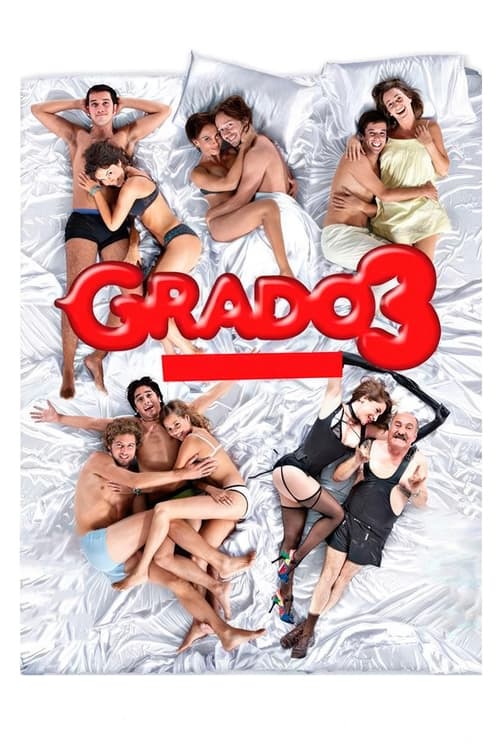
Follows the sexual stories of five Chilean couples.
2013

1999

1999

2016

2015

2016

2012

2017
No reviews yet. Be the first to share your thoughts on this movie!
Use the rating form above to leave a star rating and optional review.