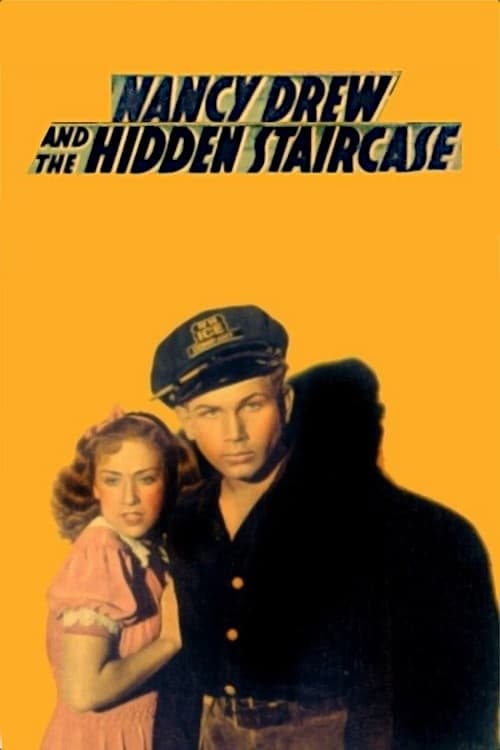
Nancy Drew and the Hidden Staircase
1939
No user ratings available yet
Representation score: 1.5 out of 10
Representation Score
Limited
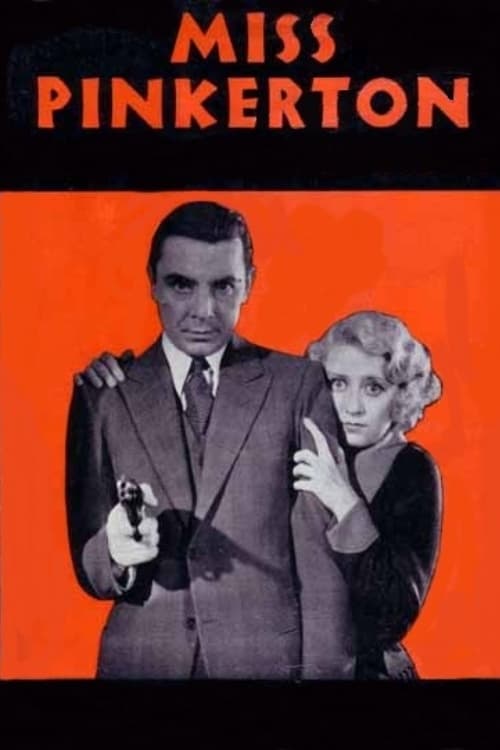
1932
PassedDirector
Lloyd Bacon
Runtime
66 minutes
Average Rating
No ratings yetNew Showbiz Analysis
Miss Pinkerton is a traditional 1930s mystery-comedy that follows standard genre clichés. While Nurse Adams investigates a murder and demonstrates individual initiative, the film remains firmly rooted in the social conventions of its time. The narrative focuses on the consequences of a wealthy family's death, emphasizing established social hierarchies without significant critique. The film reflects the demographic homogeneity typical of early sound-era Hollywood, providing a conventional viewing experience.
Category Breakdown
The film does not include any representation of LGBTQ+ identities or same-sex relationships.
Nurse Adams is portrayed as a strong female character with intellectual capabilities. However, her role as a detective is treated humorously, and the film does not challenge traditional gender roles.
The cast is predominantly white, reflecting the homogeneous standards of the 1930s.
The story adheres to traditional Western social structures, such as hospitals and law enforcement, without questioning established institutions.
There is no information about the portrayal of physical or neurodivergent disabilities in this film.
Present on Screen
Limited or Absent
Official Synopsis
Scion of the once-rich Mitchell family, Herbert Wynn is found shot to death. Nurse Adams, bored by hospital routine, is recruited by the police to ferret out clues as she tends to Wynn's elderly aunt Julia. Jokingly given the 'rank' of Miss Pinkerton, after the famous detective agency, Adams probes into the mystery, but not before a second death.
1939
1936
1944
1963
1936
1941

1932
1944
No reviews yet. Be the first to share your thoughts on this movie!
Use the rating form above to leave a star rating and optional review.