
The Mafia Kills Only in Summer
2013
No user ratings available yet
Representation score: 3.0 out of 10
Representation Score
Limited
2012
Director
Daniele Ciprì
Runtime
90 minutes
Average Rating
No ratings yetNew Showbiz Analysis
Daniele Ciprì’s work functions as a sharp socio-cultural critique of Sicilian society. The film excels at deconstructing traditional moral frameworks, replacing spiritual mourning with a cynical, materialistic view of tragedy. While the film provides a sophisticated look at systemic dysfunction and social roles, it remains narrow in its identity-based representation. The focus is heavily localized and centered on patriarchal family dynamics. Ultimately, the film's value lies in its cultural subversion and its refusal to adhere to conventional narrative clichés regarding justice and order.
Category Breakdown
The film does not include any LGBTQ+ characters or narratives. The story focuses solely on familial and socio-economic dynamics in a Sicilian setting.
The narrative centers on patriarchal structures and male roles. While it challenges traditional views of noble masculinity, it does not explicitly highlight female intellect or disrupt gender hierarchies.
The film offers a detailed study of a specific Mediterranean context. It focuses on the underrepresented residents of Palermo's Zen district rather than presenting a blend of different ethnicities.
The film provides strong cultural subversion by prioritizing gritty realism over traditional Christian morality. It critiques the corruption of institutions through a lens of moral relativism.
There is no evidence of characters with visible or invisible disabilities within the narrative.
Present on Screen
Limited or Absent
Official Synopsis
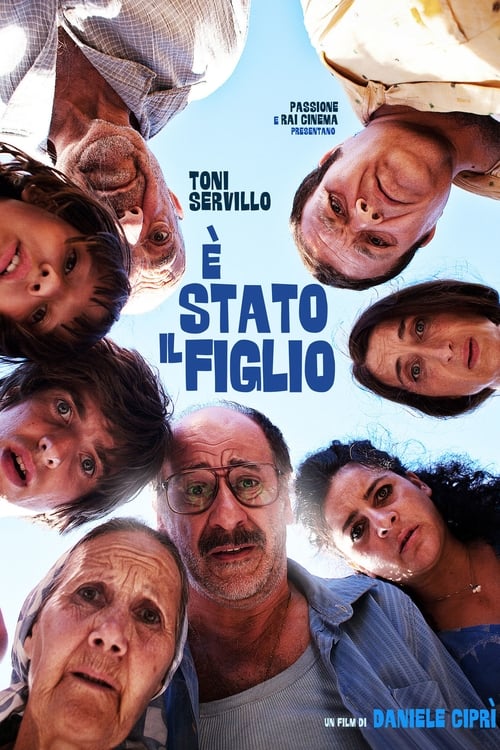
The Ciraulo family lives in the miserable district of Palermo called "Zen". When one of their children dies in a shootout between mafia gangsters they receive compensation and buy a luxury black Volvo. Things go wrong when Trancredi, another son, takes the car out and damages the car door.
2013
2014

2015
2013
2019
2017

2019
1962
No reviews yet. Be the first to share your thoughts on this movie!
Use the rating form above to leave a star rating and optional review.