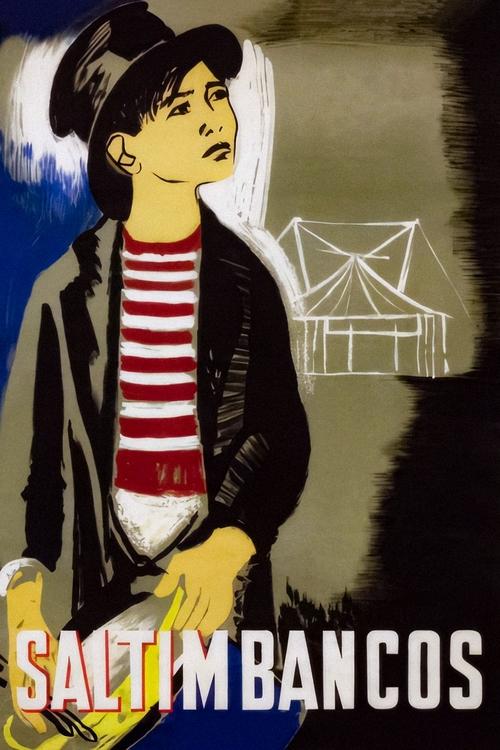
The Circus
1951
No user ratings available yet
Representation score: 1.1 out of 10
Representation Score
Minimal
2004
Director
David Gordon
Runtime
80 minutes
Average Rating
No ratings yetNew Showbiz Analysis
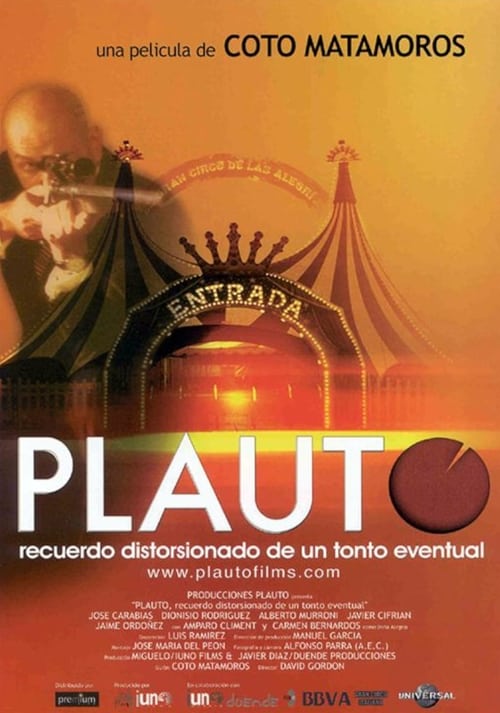
Plauto, Distorted Memory of an Eventual Fool is a character-driven drama focusing on the decline of the Circo de las Alegrías. The film explores the tension between preserving traditions and facing economic challenges. While it touches on systemic economic pressures and the struggles of a specific professional community, it relies heavily on traditional dramatic formulas. The narrative centers on familial duties and institutional inertia rather than individual ability to act. Ultimately, the film lacks explicit markers reflecting multiple aspects of identity. It primarily examines economic and generational tensions rather than diverse social representation.
Category Breakdown
The film does not show any representations of LGBTQ+ identities or same-sex relationships. There is no mention of stories challenging the assumption that everyone is straight or cisgender.
Doña Alegría is a central authority figure. However, the conflict revolves around traditional roles between a mother and her son.
The film does not specify the racial or ethnic backgrounds of the characters. Their cultural backgrounds remain unspecified.
The story looks at the economic struggles of a traditional circus community. It highlights the collective hardships faced by a underrepresented professional group.
There is no evidence of characters with physical, sensory, or neurodivergent disabilities. The narrative does not address any disability-related themes.
Present on Screen
Limited or Absent
Official Synopsis
Plauto, the clown, tells us the story of the Circo de las Alegrías. Doña Alegría, owner of the Circus is determined that her son Palevhi, maintain the classic line of the show, which begs for a complete renovation. During the last years, the Circus has been dragging like a dying man until the threat of bankruptcy and unemployment has led his workers to anguish. One night in September, Palevhi decides to inform the big family of the circus the final closure. Tears of frustration give way to the search for solutions.
1951
1924
2011
2002

1959
2014

2019

2018
No reviews yet. Be the first to share your thoughts on this movie!
Use the rating form above to leave a star rating and optional review.