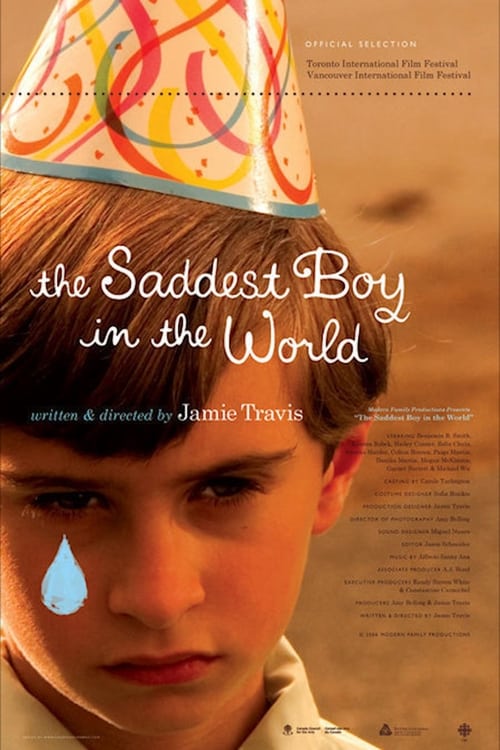
The Saddest Boy in the World
2006
No user ratings available yet
Representation score: 5.7 out of 10
Representation Score
Fair
2014
Director
Jason P. Schumacher
Runtime
11 minutes
Average Rating
No ratings yetNew Showbiz Analysis
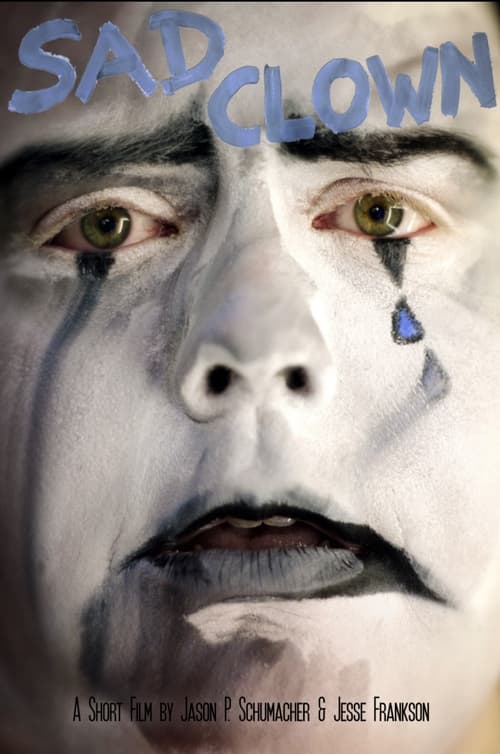
Sad Clown focuses on the tension between performative identity and inner reality. The main conflict revolves around a performer deviating from a mandated archetype to express genuine emotion. The film's strength lies in its exploration of individual control against systemic expectations. It moves beyond simple archetypes to delve into the psychological costs of conformity. However, the narrative lacks clear evidence of diverse casting or specific identity politics. The absence of racial or gender details limits the depth of its representation.
Category Breakdown
The film examines the breaking of traditional social roles. Although it doesn't explicitly show LGBTQ identities, the theme of non-conformity allows for interpretations related to these identities.
There is a power imbalance between the Ringmaster and the Clown. This tension hints at a possible disruption of traditional hierarchies and expectations of control.
There is no information available regarding the racial or ethnic composition of the cast or the setting.
The story criticizes institutional demands and the pressure to conform. It emphasizes individual emotional truth over strict social rules.
The clown's sadness symbolizes mental health or neurodivergent masking. It highlights the burden of performing wellness and regulating emotions.
Present on Screen
Limited or Absent
Official Synopsis
Upon entering the dressing room, the Ringmaster finds a Clown that has drawn a frown and tears on his face where there used to be a smile. What is it that is making him so sad, when the show demands a happy clown?
2006
2011
2012
2018
2016

2024
2019
2020
No reviews yet. Be the first to share your thoughts on this movie!
Use the rating form above to leave a star rating and optional review.