DAU. Nora Mother
2020
No user ratings available yet
Diversity score: 6.3 out of 10
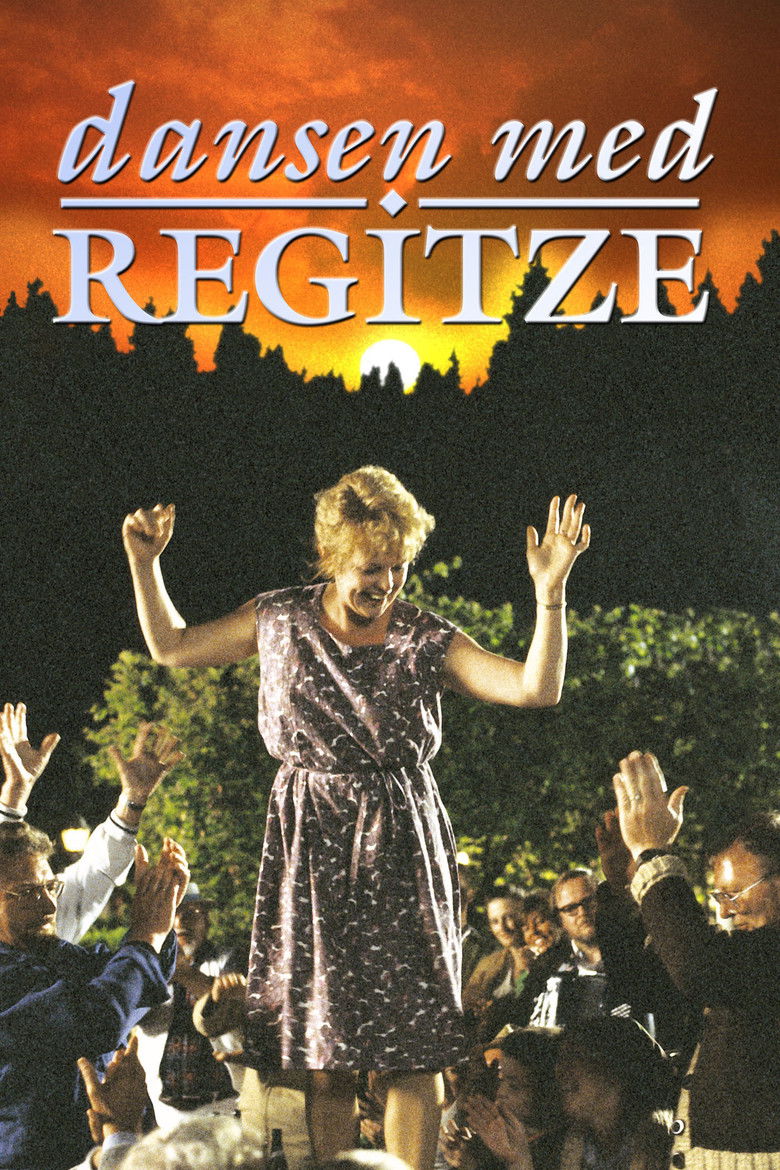
1989
Director
Kaspar Rostrup, Tom Hedegaard
Runtime
87 minutes
Average Rating
No ratings yetSynopsis
Karl Åge and Regitze host a summer garden party for close friends, their son, and his family. Karl Åge is quiet, detached; Regitze is spirited, lively. He thinks back: love at first sight during the war, living together unmarried, her mother's hunger strike when they won't baptize their son. Regitze is passionate and forthright; she speaks her mind. He remembers her inviting a derelict for Christmas dinner, and the man shows up with five bashful friends. He recalls her taking on their son's teacher when the man slaps the lad. He remembers her love of dancing and his fear that his social clumsiness might end their relationship. Now, in twilight, he has other things to face.
Overall Score
Fair
Category Breakdown
LGBTQ+ Representation
The film focuses on a long-term heterosexual partnership. While it explores unconventional living arrangements like cohabitation without marriage, there is no explicit depiction of queer identities.
Gender Representation
Regitze serves as the narrative's proactive force, displaying significant social agency. She subverts domestic tropes by confronting authority and driving the family's interpersonal dynamics against her husband's detachment.
Racial & Ethnic Diversity
The story appears to be a localized Danish period drama. The social environment seems largely homogeneous, with no evidence of racial blending or diverse ethnic casting.
Religious & Cultural Diversity
The film critiques religious orthodoxy through a conflict over baptism. It prioritizes personal conviction and secular values, highlighting a moral framework rooted in empathy and social fluidity.
Disability Representation
There is no information available regarding the depiction of physical or mental health disabilities within the narrative.
Strengths
Areas for Improvement
AI Analysis
Memories of a Marriage is a character-driven study of domestic evolution and social friction. It succeeds in subverting traditional gender hierarchies by centering the spirited, proactive agency of its female protagonist. However, the film remains limited by its homogeneous social setting. The lack of racial and LGBTQ+ representation keeps the scope narrow, focusing almost exclusively on a specific Danish social context. Ultimately, the film's strength lies in its humanistic critique of institutional dogma and its exploration of individualistic values over rigid social or religious expectations.
2020
1979

1973

1973

1993
1979
1989

1998
1976
1983
1965

1993
No reviews yet. Be the first to share your thoughts on this movie!
Use the rating form above to leave a star rating and optional review.