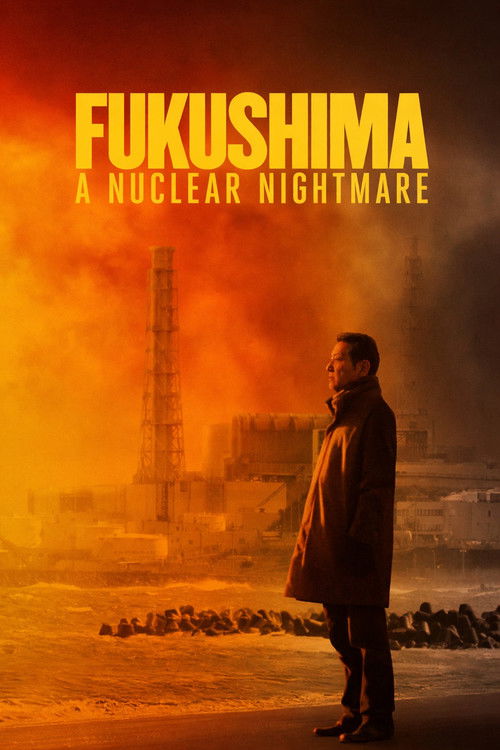
Fukushima: A Nuclear Nightmare
2026
No user ratings available yet
Representation score: 2.4 out of 10
Representation Score
Limited
2020
TV-PGDirector
Setsuro Wakamatsu
Runtime
122 minutes
Average Rating
No ratings yetNew Showbiz Analysis
Fukushima 50 is a historical drama centered on the 2011 nuclear crisis. The narrative emphasizes high-stakes crisis management and the bravery of essential workers facing environmental catastrophe. While the film explores collective action, it appears grounded in the socio-economic realities of 2011 Japan. The representation of social hierarchies seems influenced by historical accuracy rather than intentional identity-focused storytelling. Ultimately, the film lacks specific evidence of diverse casting or the disruption of conventional social norms, focusing instead on the tension between individual ability to act and systemic failure.
Category Breakdown
The film does not provide any clear evidence of LGBTQ+ characters or themes. There is no information about characters who do not identify with their assigned gender at birth.
The focus on industrial workers may suggest a male-dominated environment. It is unclear whether the film challenges or reinforces traditional gender roles in leadership positions.
Set in Japan with a Japanese cast, the film offers a non-Western perspective. However, it does not indicate a diverse or multi-ethnic cast within this specific setting.
The story explores the tension between personal sacrifice and institutional failure. It delves into the cultural implications of systemic collapse during a major technological crisis.
There is no information available regarding the inclusion of characters with physical or neurodivergent disabilities in this production.
Present on Screen
Limited or Absent
Official Synopsis
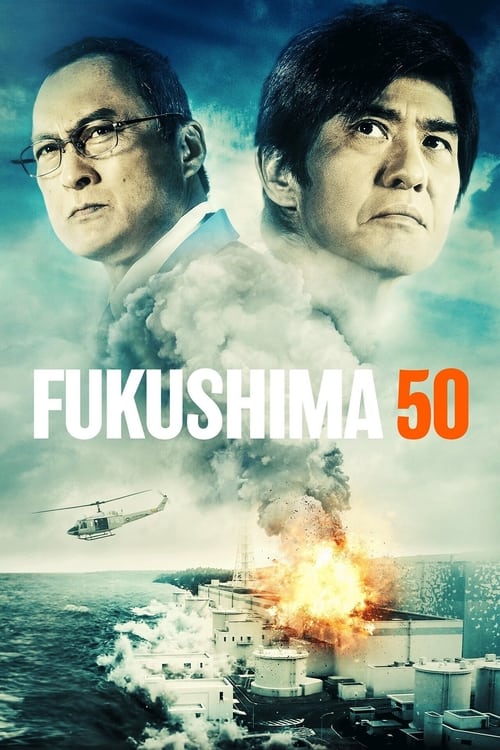
Workers at the Fukushima Daiichi facility in Japan risk their lives and stay at the nuclear power plant to prevent total destruction after the region is devastated by an earthquake and tsunami in 2011.
2026
2016
2021

2010
2012

2015
2019

2002
No reviews yet. Be the first to share your thoughts on this movie!
Use the rating form above to leave a star rating and optional review.