
Skyscrapers of New York City, from the North River
1903
No user ratings available yet
Diversity score: 0.7 out of 10
1902
Runtime
2 minutes
Average Rating
No ratings yetSynopsis
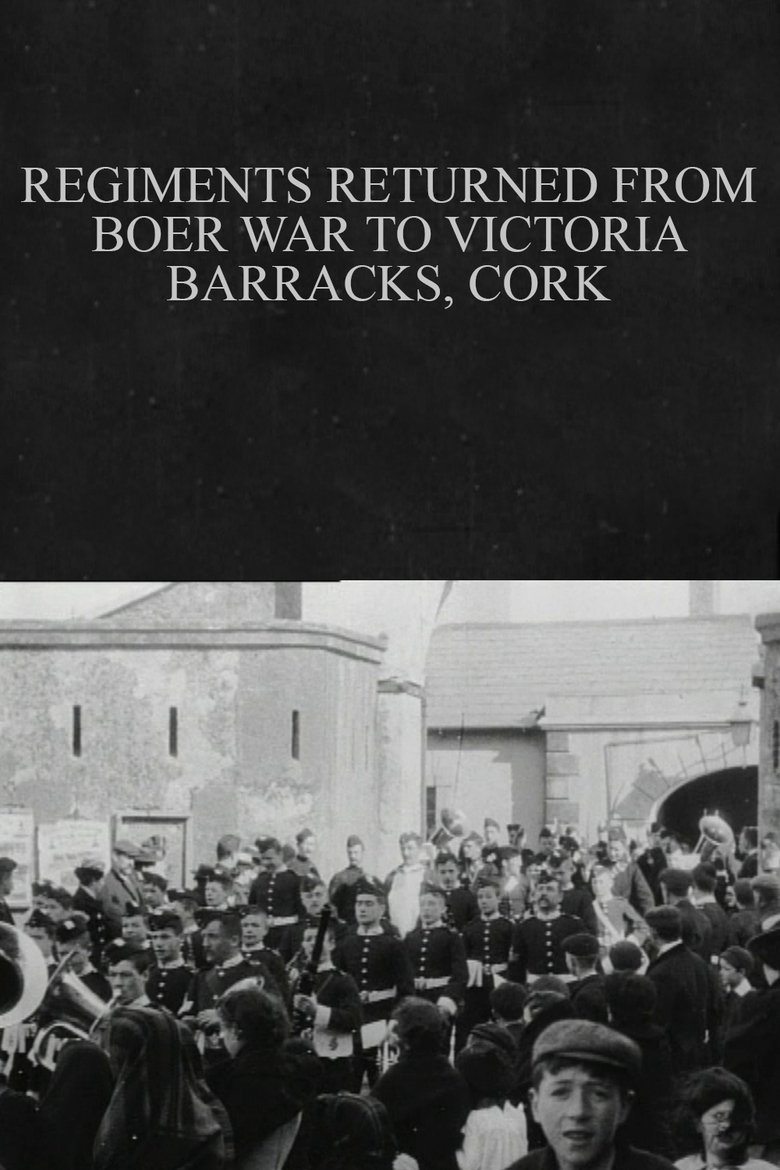
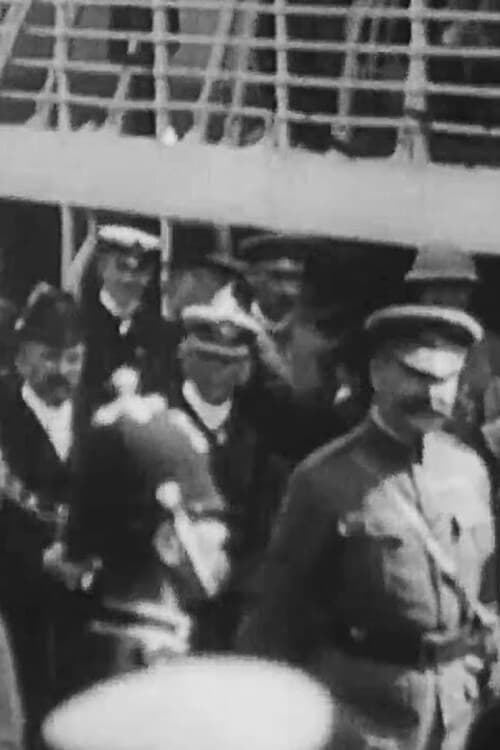
These slightly weary-looking soldiers, just back from South Africa, were perhaps only temporarily housed in their Cork barracks before a well-earned return home. Despite Irish misgivings, some 30,000 Irish soldiers fought in the Boer War. In a neat lesson in colonial history, the barracks were named after Queen Victoria in 1849 and rapidly re-named 'Collins Barracks' after Irish independence.
Overall Score
Minimal
Category Breakdown
LGBTQ+ Representation
The footage contains no depictions of non-cisnormative identities or same-sex intimacy. The military context and era lack any visible queer semiotics.
Gender Representation
The visual field is dominated by a homogeneous masculine presence. There is no evidence of female agency or the subversion of traditional gender roles.
Racial & Ethnic Diversity
The footage depicts Irish soldiers within a British colonial framework. The visual content reflects the demographic homogeneity of the era's military regiments.
Religious & Cultural Diversity
The film reinforces traditional Western institutional structures and imperial authority. It lacks elements of secularism or critiques of the colonial state.
Disability Representation
There is no visible evidence of characters with physical or neurodivergent disabilities. Subjects are presented as a standardized military unit.
Strengths
Areas for Improvement
AI Analysis
This archival newsreel functions as a literal recording of military logistics rather than a constructed narrative. As a historical document from 1902, it lacks the character arcs or scripted dialogue necessary to explore identity or progressive agency. The content captures the movement of weary soldiers returning from the Boer War. Because it is a chronological capture of colonial-era operations, it lacks the intentionality required to engage with modern themes of diversity or systemic subversion. Ultimately, the film serves as a reflection of the rigid hierarchies and demographic homogeneity of early 20th-century military institutions.
1903
1951
1896
1955

2017
2007

2005
1901

1997
1902
2018
1901
No reviews yet. Be the first to share your thoughts on this movie!
Use the rating form above to leave a star rating and optional review.