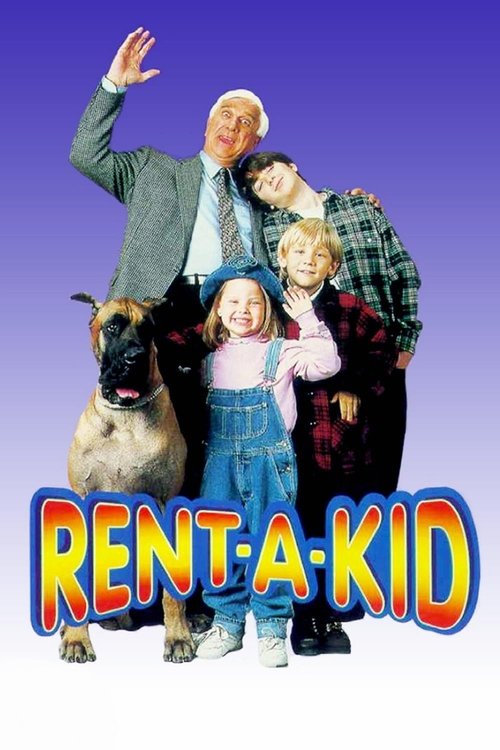
Rent-a-Kid
1995
No user ratings available yet
Representation score: 2.7 out of 10

Representation Score
Limited
2001
Director
Harvey Frost
Runtime
91 minutes
Average Rating
No ratings yetNew Showbiz Analysis
Oh, Baby operates as a conventional early-2000s family comedy that prioritizes traditional social milestones. The narrative engine—telepathic infants working to marry their parents—reinforces established domestic norms rather than deconstructing them. The film lacks multi-layered complexity, focusing instead on the preservation of the nuclear family against external threats like robbers. This emphasis on domestic stability suggests a predictable adherence to the era's television movie standards. Without evidence of diverse casting or systemic critique, the film remains a straightforward, high-concept comedy centered on traditional family structures.
Category Breakdown
The film focuses on traditional family structures, such as marriage between parents. There is no visible evidence of queer identities or ability to act.
The story relies on traditional family archetypes to protect a domestic unit from external threats. It does not challenge established gender roles or hierarchies.
The narrative provides no information about the racial or ethnic composition of the cast. It lacks details about a diverse or non-white majority cast.
The film reinforces Western values about domestic stability and the sanctity of the family. It uses a high-concept comedy cliché rather than critiquing religion or social institutions.
No characters with physical, sensory, or neurodivergent disabilities are mentioned. The infants' telepathy serves as a fantastical plot device rather than a representation of lived disability.
Present on Screen
Limited or Absent
Official Synopsis
The story of two babies who are able to telepathically communicate and try to marry their parents by help of mortal combat with the robbers.
1995
1998
2002

2004

1991

1999
2013
1992
No reviews yet. Be the first to share your thoughts on this movie!
Use the rating form above to leave a star rating and optional review.