
The Mayo Clinic
2018
No user ratings available yet
Diversity score: 3.9 out of 10
2012
Director
Dan Carracino, Kevin Hanlon
Runtime
104 minutes
Average Rating
No ratings yetSynopsis
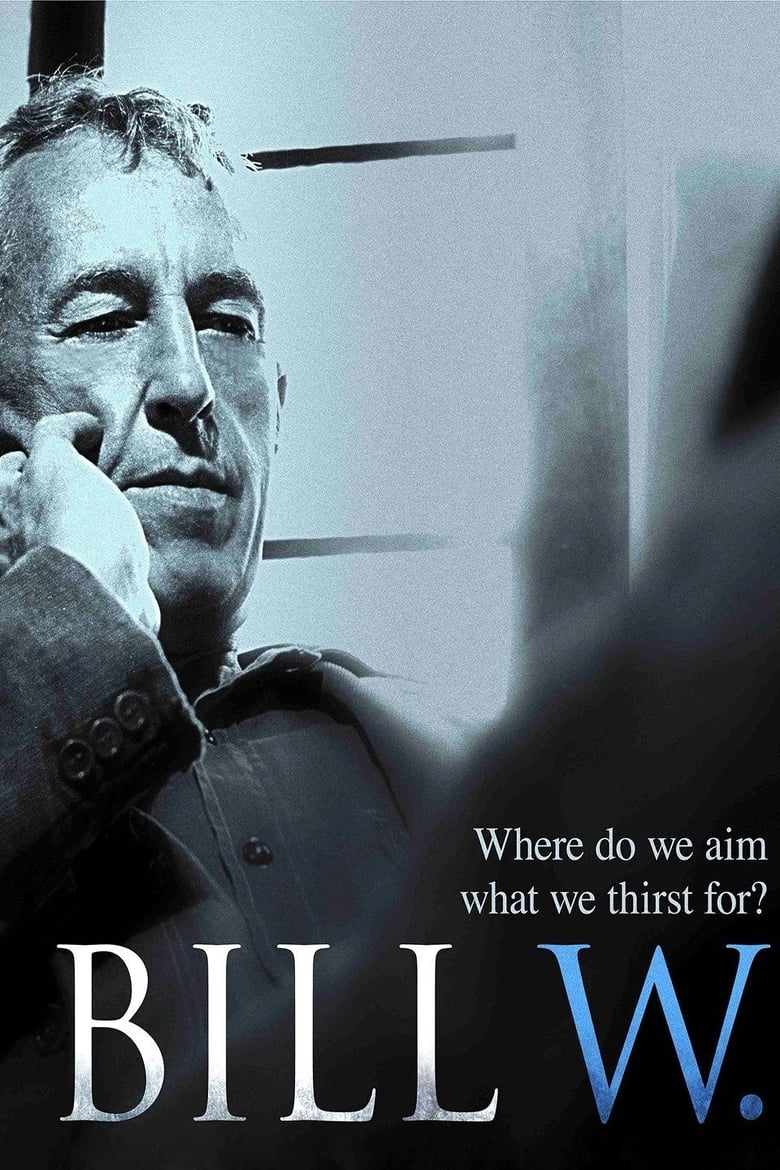
William G. Wilson is co-founder of Alcoholics Anonymous, a man included in TIME Magazine's "100 Persons of the 20th Century." Interviews, recreations, and rare archival material reveal how Bill Wilson, a hopeless drunk near death from his alcoholism, found a way out of his own addiction and then forged a path for countless others to follow. With Bill as its driving force, A.A. grew from a handful of men to a worldwide fellowship of over 2 million men and women - a success that made him an icon within A.A., but also an alcoholic unable to be a member of the very society he had created. A reluctant hero, Bill Wilson lived a life of sacrifice and service, and left a legacy that continues every day, all around the world.
Overall Score
Limited
Category Breakdown
LGBTQ+ Representation
The documentary focuses on the historical development of Alcoholics Anonymous through Bill Wilson. The narrative is rooted in mid-20th-century recovery movements, which historically centered on heteronormative social structures.
Gender Representation
The narrative architecture centers on the male experience of addiction and Wilson's leadership. While the fellowship includes women, the historical focus emphasizes male-driven institutional founding.
Racial & Ethnic Diversity
The film focuses on the life of William G. Wilson and early A.A. iterations. The narrative likely reflects the demographic homogeneity of the mid-20th century era.
Religious & Cultural Diversity
The film explores themes of personal redemption and global fellowship. It aligns with traditional Western values of service and sacrifice rather than critiquing institutional structures.
Disability Representation
The film provides visibility to the invisible disability of alcoholism. It grants agency to a man struggling with a chronic condition through a classic redemption arc.
Strengths
Areas for Improvement
AI Analysis
Bill W. serves as a traditional biographical documentary that prioritizes historical accuracy and the legacy of a singular figure. It functions within a Western framework of personal transformation and institutional stability. The film provides meaningful visibility to the lived experience of addiction. However, it does not actively seek to disrupt conventional social hierarchies or incorporate intersectional identity politics. Ultimately, the work reflects the demographic and social norms of the mid-20th century, focusing on the founding of a global fellowship through a traditionalist lens.
2018
2009
2008

2008

2016

2017

2012

2014
2016

1976

1999

2018
No reviews yet. Be the first to share your thoughts on this movie!
Use the rating form above to leave a star rating and optional review.