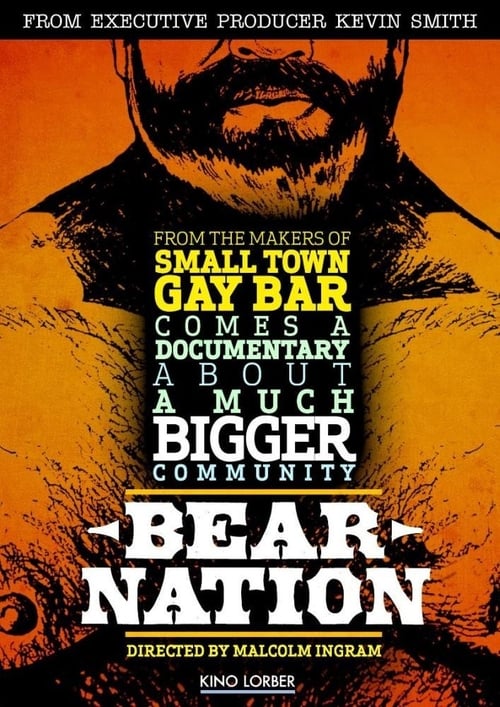
Bear Nation
2010
No user ratings available yet
Diversity score: 7.8 out of 10
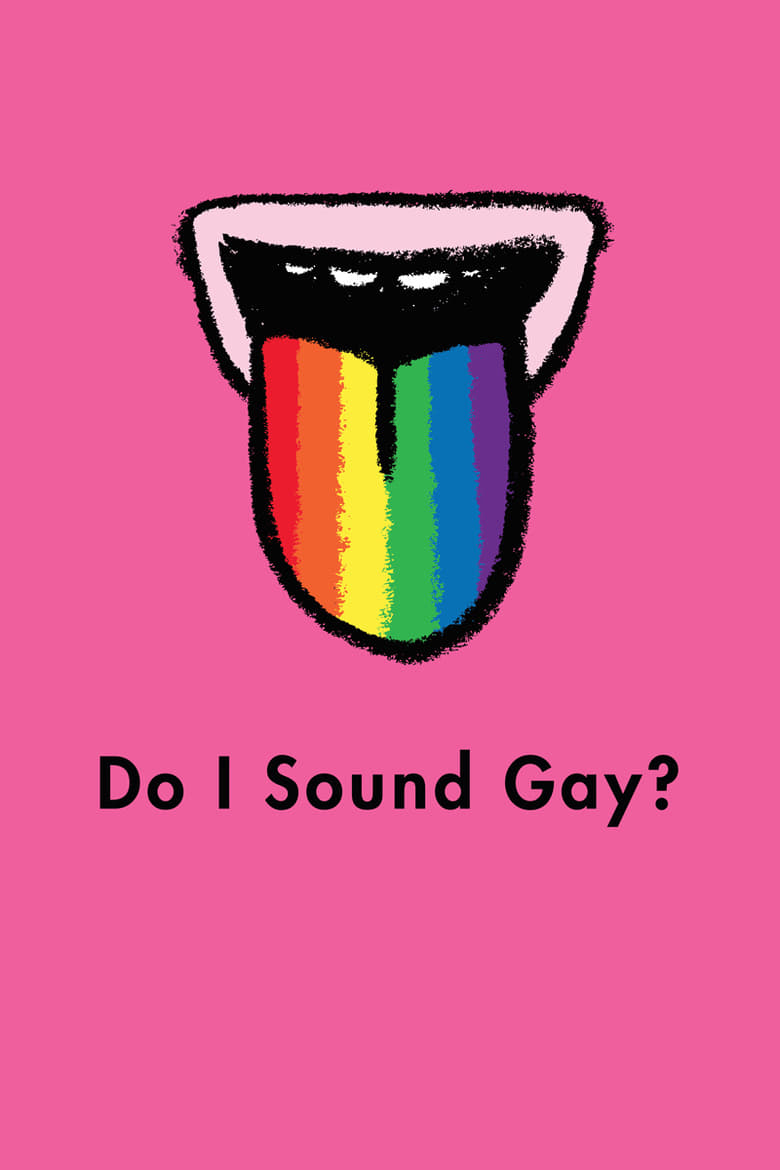
2015
UnratedDirector
David Thorpe
Runtime
77 minutes
Average Rating
No ratings yetSynopsis
What makes a voice “gay”? A breakup with his boyfriend sets journalist David Thorpe on a quest to unravel a linguistic mystery.
Overall Score
Good
Category Breakdown
LGBTQ+ Representation
The film offers a profound exploration of queer identity by analyzing how vocal mannerisms function as social signifiers. It provides high-level agency to diverse LGBTQ+ voices discussing linguistic profiling.
Gender Representation
This documentary examines the intersection of gender expression and vocal performance. It critiques rigid social expectations by analyzing how speech patterns are used to assign gender and orientation.
Racial & Ethnic Diversity
The film focuses heavily on the social mechanics of queer categorization. There is insufficient evidence of high intersectional racial diversity or non-Anglo-Saxon majority casts within the study.
Religious & Cultural Diversity
The narrative challenges Western modes of social categorization by framing the 'gay voice' as a social construct. It utilizes sophisticated frameworks to deconstruct how society polices identity.
Disability Representation
There is no significant evidence regarding the portrayal of visible or invisible disabilities within the film's thematic focus.
Strengths
Areas for Improvement
AI Analysis
David Thorpe’s documentary is a specialized intellectual inquiry that moves beyond simple representation to perform a semiotic critique of identity. By centering the narrative on linguistic profiling, the film successfully shifts the focus from individual experiences to the systemic ways society enforces heteronormative standards. The work excels in its deep engagement with Queer Theory, treating speech as a complex site of social negotiation rather than a biological imperative. This approach grants significant agency to its subjects, allowing them to navigate and deconstruct the social cues used to police their identities. However, the film's narrow focus on linguistic markers limits its broader social scope. While it provides exceptional depth regarding queer social performance, it lacks evidence of broad-spectrum racial or disability representation.
2010

2017
2009

2017
2011

2005

2013
2016
2014
2026

2017

2008
No reviews yet. Be the first to share your thoughts on this movie!
Use the rating form above to leave a star rating and optional review.