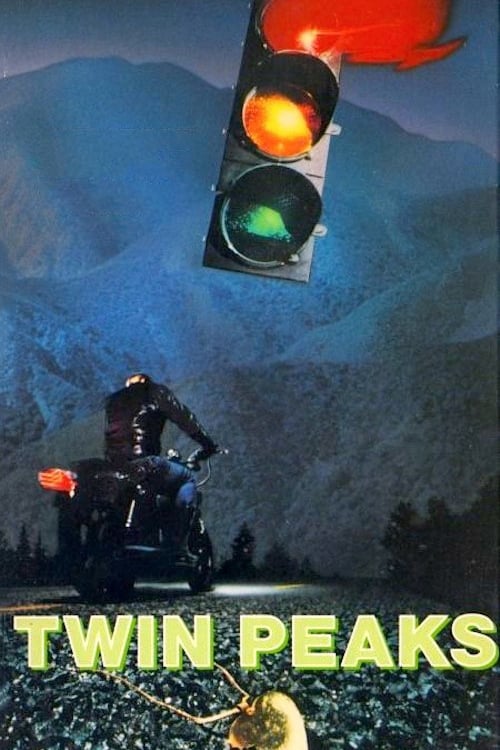
Twin Peaks
1989
No user ratings available yet
Representation score: 7.0 out of 10

Representation Score
Good
1992
RDirector
David Lynch
Runtime
135 minutes
Average Rating
No ratings yetNew Showbiz Analysis
Twin Peaks: Fire Walk with Me is a sophisticated look at mid-century American social structures. It dismantles the idea of the perfect nuclear family and traditional authority, using the home environment to reveal underlying trauma. However, the film's period setting limits its racial and LGBTQ+ diversity. The narrative stays focused on a homogenous, straight-centered experience that reflects the social norms of the 1950s. Overall, the film's strength lies in its psychological depth and its avoidance of simple moral or gendered stereotypes, even though it doesn't represent a wide range of human identities.
Category Breakdown
The film doesn't explicitly show LGBTQ+ identities or same-sex relationships. It focuses on trauma within a straight-centered context, leaving these identities largely unexplored.
The film challenges traditional gender roles by focusing on female victimization. It shows how male authority can lead to chaos.
Reflecting its 1956 setting, the cast is mostly white and uniform. The film doesn't use non-white actors to challenge the era's demographics.
The story criticizes Western institutions like the nuclear family and religious structures. It portrays these as facades hiding deeper issues like systemic dysfunction and domestic problems.
The film explores the protagonist's fragmented psyche, which drives the plot. This mental state is central to the story's development.
Present on Screen
Limited or Absent
Official Synopsis
In the questionable town of Deer Meadow, Washington, FBI Agent Desmond inexplicably disappears while hunting for the man who murdered a teen girl. The killer is never apprehended, and, after experiencing dark visions and supernatural encounters, Agent Dale Cooper chillingly predicts that the culprit will claim another life. Meanwhile, in the more cozy town of Twin Peaks, hedonistic beauty Laura Palmer hangs with lowlifes and seems destined for a grisly fate.
1989
2014
2002

1962

1990

1975
1987
1976
No reviews yet. Be the first to share your thoughts on this movie!
Use the rating form above to leave a star rating and optional review.