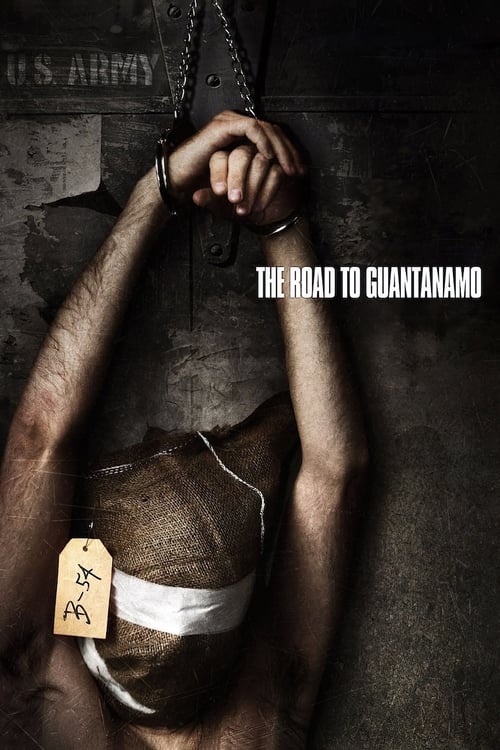
The Road to Guantanamo
2006
No user ratings available yet
Diversity score: 5.4 out of 10

2010
Director
Andrey Kavun
Runtime
103 minutes
Average Rating
No ratings yetSynopsis
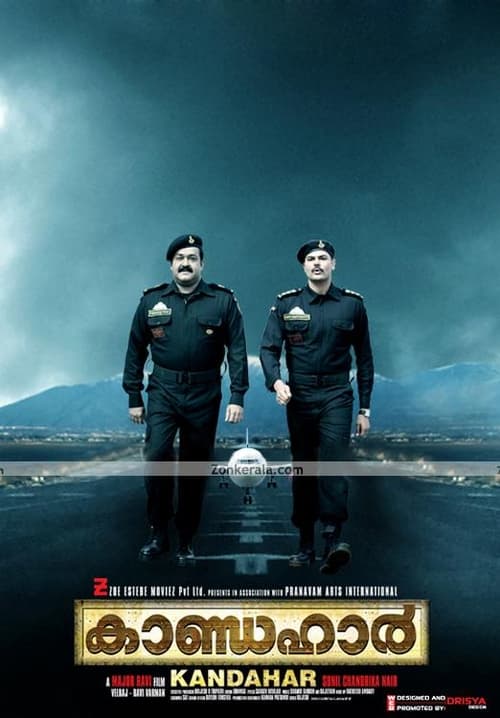
A docudrama about the escape of Russian pilots after being taken hostage by the Taliban in 1996.
Overall Score
Fair
Category Breakdown
LGBTQ+ Representation
The film contains no LGBTQ+ characters or non-heteronormative identities. The narrative focuses entirely on survival and traditional social dynamics within a wartime setting.
Gender Representation
Gender roles are depicted through the lens of cultural necessity and wartime vulnerability. Women are portrayed through their precariousness in conflict zones rather than as submissive archetypes.
Racial & Ethnic Diversity
The film excels by utilizing an Afghan cast and setting the story in Kandahar. This approach disrupts the Western gaze by centering non-Anglo-Saxon identities.
Religious & Cultural Diversity
The narrative offers a critique of external military intervention from a post-colonial perspective. It frames conflict through the lens of the local population rather than combatant glory.
Disability Representation
Disabilities appear as symptoms of war's devastation rather than central character arcs. They serve as an atmospheric element of the environment rather than a study of individual agency.
Strengths
Areas for Improvement
AI Analysis
Kandahar is a contemplative docudrama that prioritizes regional authenticity over traditional war movie tropes. By centering the lived experiences of the Afghan population, it successfully avoids the typical Western-centric perspective found in many geopolitical films. However, the film's diversity is uneven. While it achieves high marks for racial and cultural representation, it lacks any LGBTQ+ narratives and treats disability as a collective atmospheric consequence of war rather than a focused exploration of individual identity. Ultimately, the film is a study of psychological erosion and systemic instability. It succeeds in its post-colonial critique but remains anchored in traditional social roles necessitated by its specific wartime setting.
2006
2019

2013
2006
2004
2014

1994
1999

2019
2013
2010

2022
No reviews yet. Be the first to share your thoughts on this movie!
Use the rating form above to leave a star rating and optional review.