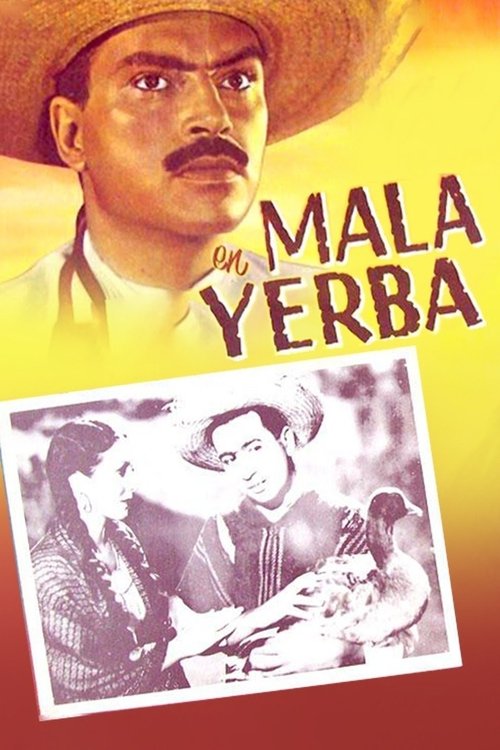
Mala yerba
1940
No user ratings available yet
Representation score: 1.3 out of 10
Representation Score
Minimal
1971
Director
Zacarías Gómez Urquiza
Runtime
85 minutes
Average Rating
No ratings yetNew Showbiz Analysis
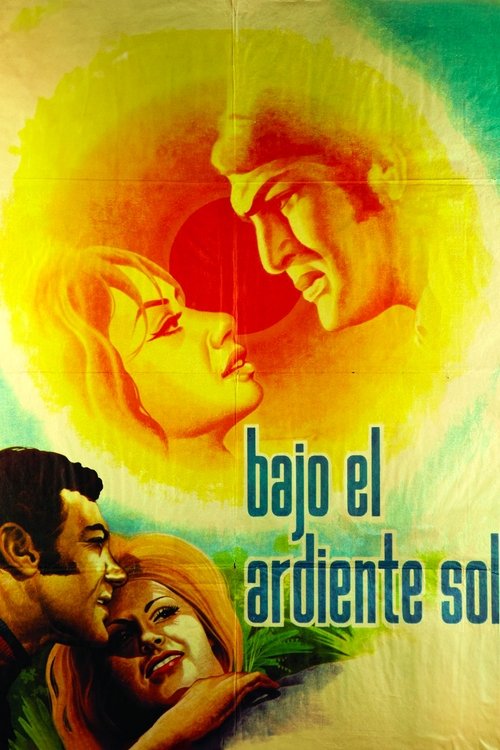
Bajo el Ardiente Sol is a period-specific romantic melodrama set on a Colombian coffee plantation. It primarily adheres to the established conventions of its genre. The film uses a localized setting to drive its narrative. The work heavily relies on traditionalist frameworks, focusing on genre-standard clichés rather than deconstructing social hierarchies. While the setting offers a multi-ethnic backdrop, the film lacks specific evidence of multi-layered identity or subversion of social norms. Ultimately, the film reflects 1970s Latin American cinema, emphasizing regional melodrama and conventional romantic structures over contemporary diversity standards.
Category Breakdown
The film doesn't include any characters with non-straight sexual orientations or gender identities. It follows the traditional romantic storylines common in 1970s regional melodramas.
Despite being a romance genre, which often highlights female emotional experiences, the film seems to stick to traditional gender roles from the 1970s. There's no indication of women challenging these roles.
Set in a Colombian coffee plantation, the film features a diverse cast reflecting the ethnic mix of the Andean region. However, the story might still reflect the social hierarchies of that time.
The story engages with traditional settings and likely follows the moral frameworks typical of classical melodrama. It focuses on local social structures rather than critiquing institutions.
There is no mention of characters with physical or neurodivergent disabilities in the film.
Present on Screen
Limited or Absent
Official Synopsis
Romantic melodrama set on a Colombian coffee plantation.
1940
1982
1980

1999

1988

1971

1972

1967
No reviews yet. Be the first to share your thoughts on this movie!
Use the rating form above to leave a star rating and optional review.