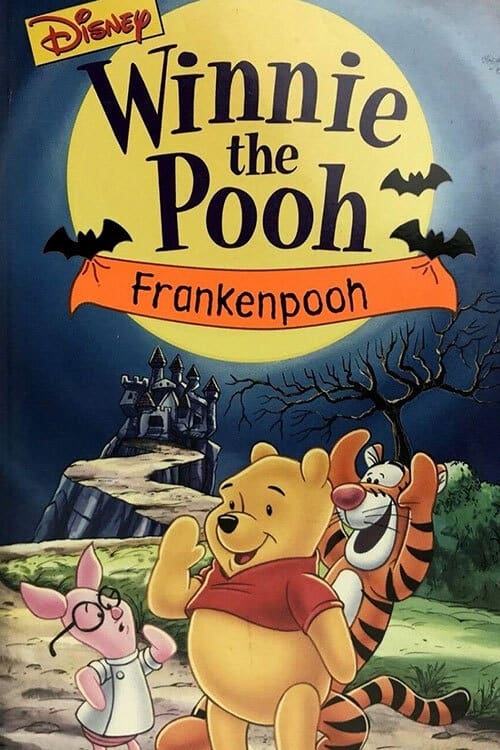
Winnie the Pooh: Frankenpooh
1995
No user ratings available yet
Representation score: 0.4 out of 10
Representation Score
Limited
2002
Runtime
70 minutes
Average Rating
No ratings yetNew Showbiz Analysis
This animated anthology prioritizes emotional regulation and the management of childhood fears over social complexity. The stories use familiar archetypes to help preschoolers navigate anxiety through a lens of stability and predictability. The production adheres to highly conventional storytelling structures typical of early childhood media. It focuses on a closed, culturally singular world that emphasizes community support and traditional moral clarity. Because the target audience is preschoolers, the content avoids multi-layered depth in favor of a safe, predictable environment. The narrative architecture is designed for comfort rather than social deconstruction.
Category Breakdown
The stories focus on platonic friendships and shared fears among animal characters. There are no depictions of non-straight identities or same-sex intimacy.
Character dynamics rely on established personality types rather than challenging gender hierarchies. While emotional labor is shared, the narrative does not challenge traditional roles or expectations of leadership.
The setting is a homogeneous, pastoral fantasy environment. The cast functions as a closed, culturally singular unit without visible attempts at racial or ethnic diversity.
The film promotes traditional values like friendship and community cooperation. It reinforces a stable moral universe where conflicts are resolved through conventional comfort and emotional resilience.
Psychological vulnerabilities like timidity serve as metaphorical disabilities to drive character growth. However, there is no nuanced depiction of neurodivergence or physical disability.
Present on Screen
Limited or Absent
Official Synopsis
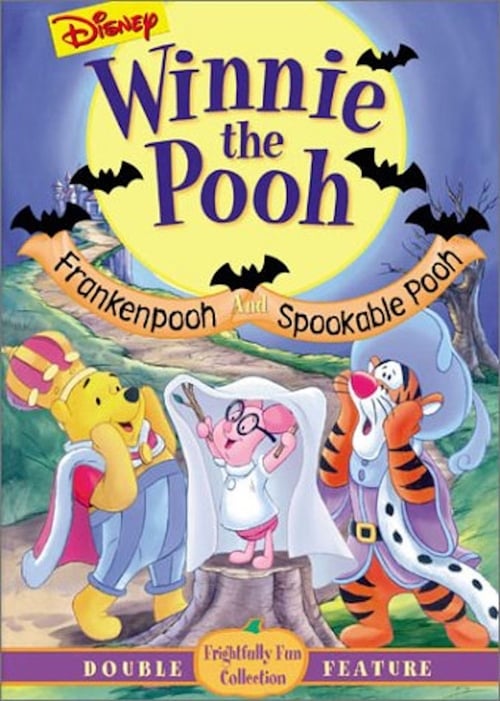
This pair of monster Winnie the Pooh hits offer preschoolers the mildest of frights to add to their Halloween fun. "Frankenpooh" contains a trio of tyke-appropriate stories about a honey-guzzling Pooh on the loose, a ghostbusting Piglet, and the dreaded "Grabme Gotcha" who, friends fear, may have scared Piglet and Pooh away. In "Spookable Pooh," timid Piglet gets medieval on a magical kingdom's dragon and learns, with Pooh and company's help, that bad dreams can have happy endings. Familiar characters and fanciful stories should help young viewers steel themselves against common childhood fears. Barnes & Noble - Donald Liebenson
1995
2002
1992

1977
2017
2005
1997
1996
No reviews yet. Be the first to share your thoughts on this movie!
Use the rating form above to leave a star rating and optional review.