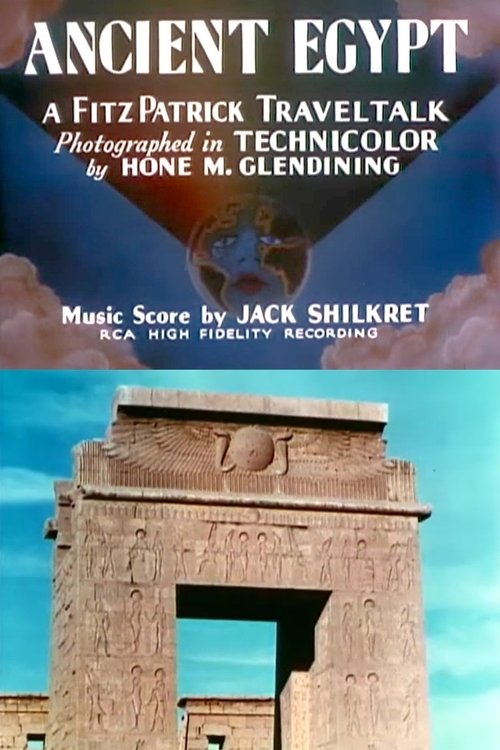
Ancient Egypt
1939
No user ratings available yet
Diversity score: 1.8 out of 10

1943
NRDirector
Paul Burnford
Runtime
8 minutes
Average Rating
No ratings yetSynopsis
A look at how the weather bureau tries to warn farmers and businessmen about approaching large storms. Although some precautions can be taken to lessen their impact, storms have to run their course, and there is really not much we can do about them.
Overall Score
Minimal
Category Breakdown
LGBTQ+ Representation
The film offers no evidence of LGBTQ+ characters or non-cisnormative identities. Its focus remains strictly on meteorological operations and weather bureau functions.
Gender Representation
The narrative centers on farmers and businessmen, roles that historically defaulted to men in 1943. There is no indication of women in leadership or driving the story.
Racial & Ethnic Diversity
The work reflects the homogeneous demographic norms of 1940s institutional documentation. It prioritizes a traditional Western professional landscape without visible racial diversity.
Religious & Cultural Diversity
The film emphasizes environmental pragmatism and the management of nature for commerce. It presents institutional knowledge as a stabilizing force within a Western framework.
Disability Representation
There is no indication of characters with visible or invisible disabilities. Disability is not utilized as a narrative device within this documentary.
Strengths
Areas for Improvement
AI Analysis
Storm is a mid-century instructional documentary focused on the technical processes of the weather bureau. Because the subject matter is observational and centered on meteorological warnings, it lacks the character-driven agency necessary to explore complex social dynamics or intersectional themes. The film functions as a reflection of the 1940s institutional status quo. It prioritizes the relationship between human industry and natural phenomena, specifically regarding agriculture and commerce, rather than social commentary. Ultimately, the documentary serves a pragmatic purpose. It lacks the narrative depth required to engage with diverse identities, instead presenting a narrow, professionalized view of the era.
1939
1998

1943

2009

2006
2006
2015
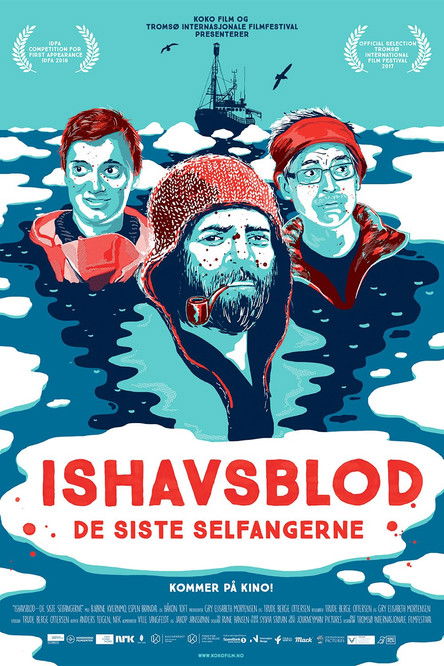
2016
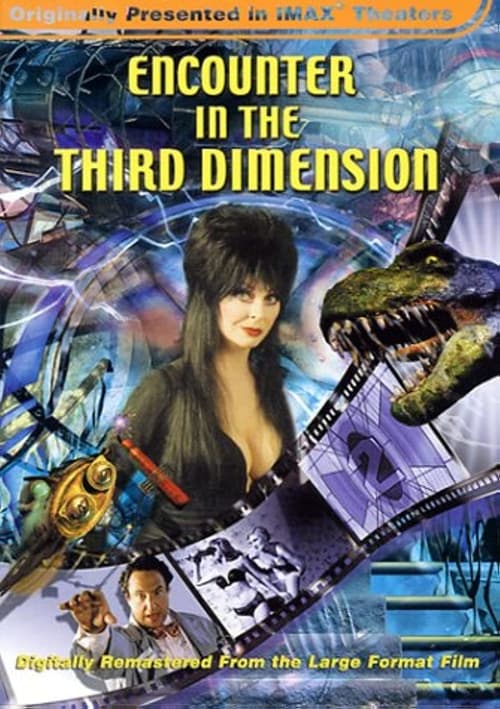
1999

2000
1955

2005
No reviews yet. Be the first to share your thoughts on this movie!
Use the rating form above to leave a star rating and optional review.