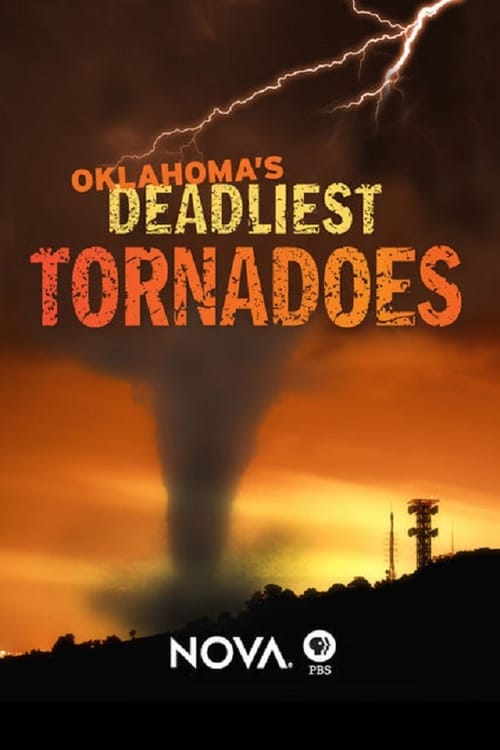
Oklahoma's Deadliest Tornadoes
2013
No user ratings available yet
Representation score: 0.9 out of 10
Representation Score
Minimal
1978
NOT RATEDRuntime
28 minutes
Average Rating
No ratings yetNew Showbiz Analysis
Day of the Killer Tornadoes functions primarily as a technical historical record rather than a character-driven narrative. Its main goal is to document the 1978 tornado outbreak and the effectiveness of emergency management systems. Given the focus on meteorological and institutional elements, the film lacks the structure needed to explore social identities. The documentary follows a typical 1970s observational format, prioritizing systemic coordination and environmental data over diverse human experiences. This results in a presentation that is largely void of characters who reflect more than one aspect of diversity. Ultimately, the film serves its purpose as a record of natural chaos and institutional response, but it offers minimal engagement with social hierarchies or cultural diversity.
Category Breakdown
The film does not depict any LGBTQ+ individuals. It focuses entirely on meteorological phenomena and emergency services.
Gender representation is limited to technical disaster management. The footage lacks significant evidence of women playing leading roles or holding leadership positions.
The documentary does not center on specific racial or ethnic experiences. It prioritizes environmental data and institutional responses over human narratives.
The film reinforces traditional Western institutional structures. It validates the competence of state and local government agencies as stabilizing forces during crises.
There is no evidence of characters with visible or invisible disabilities being portrayed with real influence. The focus remains on the overall emergency response.
Present on Screen
Limited or Absent
Official Synopsis
This documentary presents a story about the day one hundred and forty-seven deadly twisters swept through Kentucky, Ohio, and Alabama. The funnels devastated large portions of eleven states, taking three hundred and seven lives in the United States and eight more in Ontario, Canada. It includes extensive footage of the tornadoes actually striking Louisville, Cincinnati, and Xenia. It also shows how early warning, advance preparation, and coordination in emergency operating centers have helped to save many lives.
2013
2013
1992
2022
2012
2014
2025
1995
No reviews yet. Be the first to share your thoughts on this movie!
Use the rating form above to leave a star rating and optional review.