
Mission: Impossible - Dead Reckoning Part One
2023
No user ratings available yet
Representation score: 8.4 out of 10

Representation Score
Good
2021
PG-13Director
Cary Joji Fukunaga
Runtime
163 minutes
Average Rating
No ratings yetNew Showbiz Analysis
No Time to Die represents a sophisticated evolution for the franchise, shifting from the invincible hero cliché to a more nuanced, character-focused narrative. The film successfully integrates diverse elements by elevating Black female characters and questioning traditional masculinity. While the film advances gender and racial representation, it falls short in addressing LGBTQ+ identities and disability-specific storylines. The narrative's strength lies in its transition from pure action to a deeper exploration of identity and institutional power.
Category Breakdown
The film focuses on traditional heterosexual relationships and does not include LGBTQ+ characters or narratives that challenge these norms. The story centers on the relationship between Bond and Madeleine Swann.
The film challenges the typical 'Bond girl' stereotype by introducing Nomi, a Black female 00-agent and professional peer. Madeleine Swann transitions from a supporting role to a central driver of the plot.
Casting Lashana Lynch as a Black 00-agent brings diversity to the traditionally white cast. Her role emphasizes professional authority and a significant role in driving the story, avoiding including someone from a minority group without giving them real depth.
The film shifts away from imperialist themes to examine the moral implications of state-sanctioned violence. It presents a somber, realistic portrayal of the consequences of serving in such roles.
The narrative explores physical and psychological vulnerabilities but does not focus specifically on disabilities. Character development is not centered around disability.
Present on Screen
Limited or Absent
Official Synopsis
Bond has left active service and is enjoying a tranquil life in Jamaica. His peace is short-lived when his old friend Felix Leiter from the CIA turns up asking for help. The mission to rescue a kidnapped scientist turns out to be far more treacherous than expected, leading Bond onto the trail of a mysterious villain armed with dangerous new technology.
2023

1969

2012
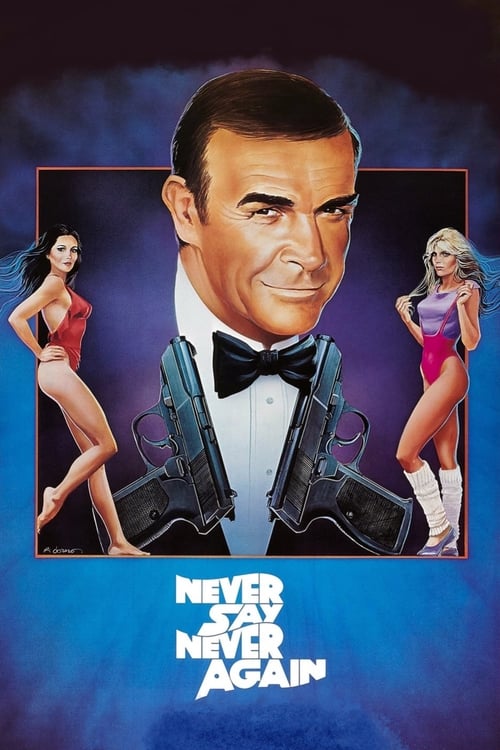
1983

2006

2002
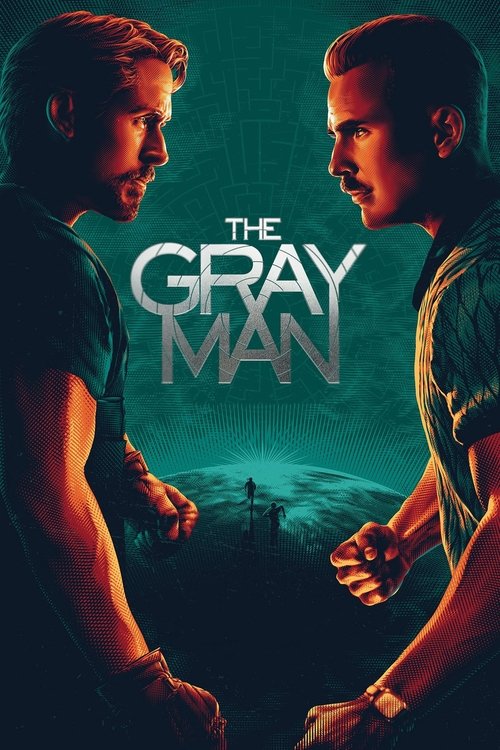
2022

1989
No reviews yet. Be the first to share your thoughts on this movie!
Use the rating form above to leave a star rating and optional review.