Blush
2015
No user ratings available yet
Representation score: 6.2 out of 10
Representation Score
Good
2015
Director
Stina Werenfels
Runtime
88 minutes
Average Rating
No ratings yetNew Showbiz Analysis
Stina Werenfels presents a character-driven drama that prioritizes psychological depth over conventional storytelling. The film excels in its nuanced portrayal of neurodivergence and its critique of traditional family structures. Despite its sophisticated approach to ability to act and moral relativism, the film remains limited in its demographic range. The absence of diverse racial and LGBTQ+ representation restricts its broader impact on social issues. Ultimately, the work serves as a deconstruction of the traditional family unit, trading social cohesion for a complex examination of individual psychology and moral ambiguity.
Category Breakdown
The film focuses on the complexities of intimacy and individual desires, but it does not explore non-cisgender identities or challenge the assumption that everyone is straight.
The narrative challenges traditional gender roles by highlighting the psychological volatility of its female protagonist. It disrupts patriarchal structures by emphasizing the emotional lives of women.
The setting appears to be a homogeneous urban middle-class environment with no indication of multicultural blending or diverse casting.
The film employs moral relativism, avoiding religious absolutes and instead focusing on situational ethics. It critiques traditional Western institutions by showing the family as a source of instability.
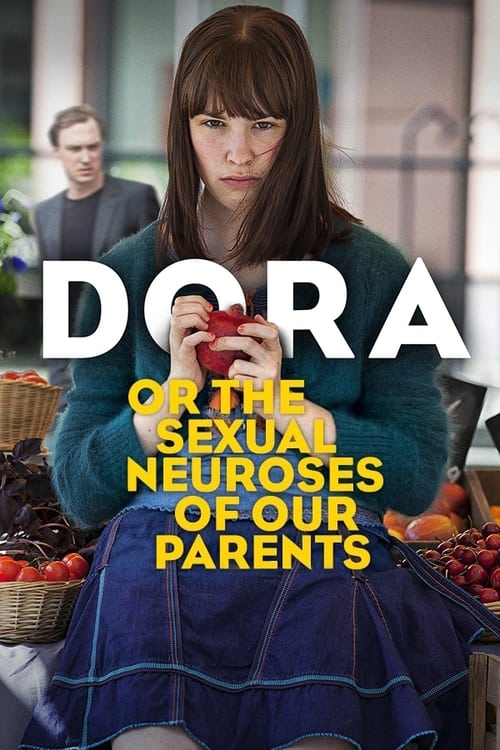
Dora is portrayed as a character with ability to act and personal growth, rather than being defined solely by her disability. The film highlights her journey and sexual awakening.
Present on Screen
Limited or Absent
Official Synopsis
After her mother decided that the eighteen-year-old mentally disabled Dora no longer has to take psychotherapeutic drugs, the young woman begins to blossom. The sedated teenager was never a problem for her surroundings – but new challenges arise when the pleasure-loving young woman discovers her sexuality. The family is threatened to fall apart.
2015

1983

2001

2016

2013

2019
2013

2022
No reviews yet. Be the first to share your thoughts on this movie!
Use the rating form above to leave a star rating and optional review.