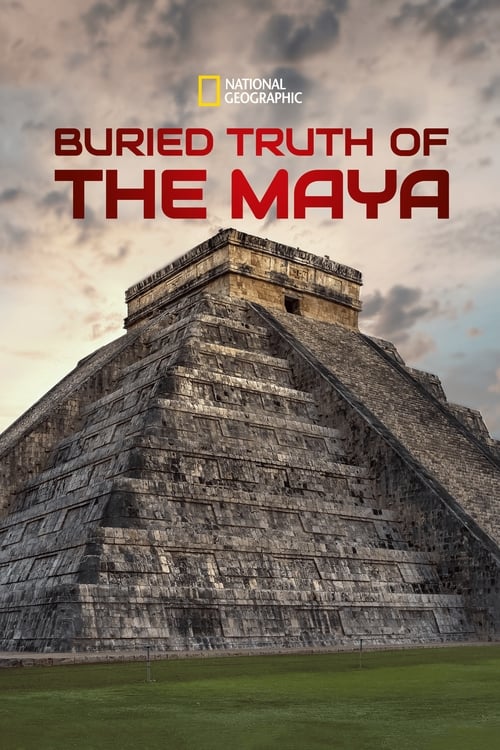
Buried Truth of the Maya
2020
No user ratings available yet
Representation score: 2.8 out of 10
Representation Score
Limited
2018
TV-PGDirector
Matt Currington
Average Rating
No ratings yetNew Showbiz Analysis
Inca Apocalypse: The Dark Evidence primarily serves as a historical investigation into the fall of the Inca Empire. While the subject matter naturally centers on Indigenous Andean populations, the documentary lacks character-driven ability to act or contemporary identity exploration. The film provides a platform for non-Western perspectives through its focus on the colonial encounter. However, it operates within traditional historical frameworks rather than actively deconstructing modern social hierarchies. Overall, the work offers meaningful historical context without engaging in deep social commentary or progressive identity politics.
Category Breakdown
The documentary does not include any LGBTQ+ characters or narratives. It focuses on historical events rather than contemporary identity issues.
The film likely centers on traditional historical frameworks that emphasize patriarchal power structures. There is no indication of women playing a significant role or challenging gender hierarchies.
The documentary centers on Indigenous Andean populations and the colonial encounter. While it prioritizes non-Anglo-Saxon civilizations, it may still use a Western-centric perspective.
The film explores the collapse of the Inca Empire and the impact of Western arrival on Indigenous structures. It offers a moderate post-colonial examination of historical mysteries.
There is no documented evidence of neurodivergence or physical disabilities being portrayed in this historical context.
Present on Screen
Limited or Absent
2020

2017
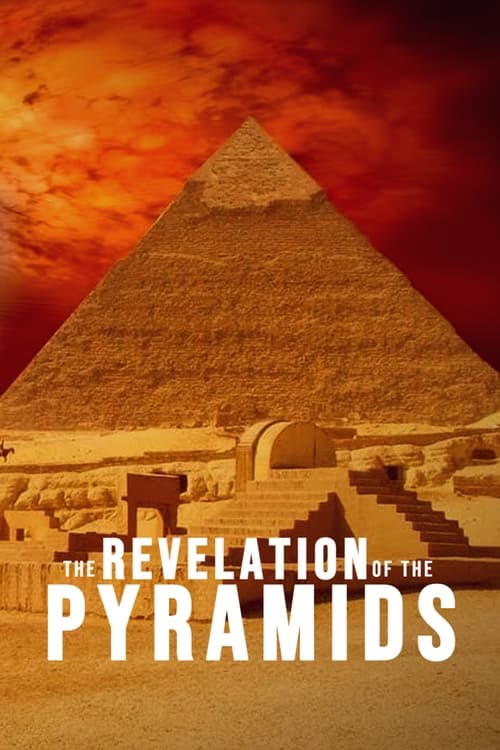
2010

2020
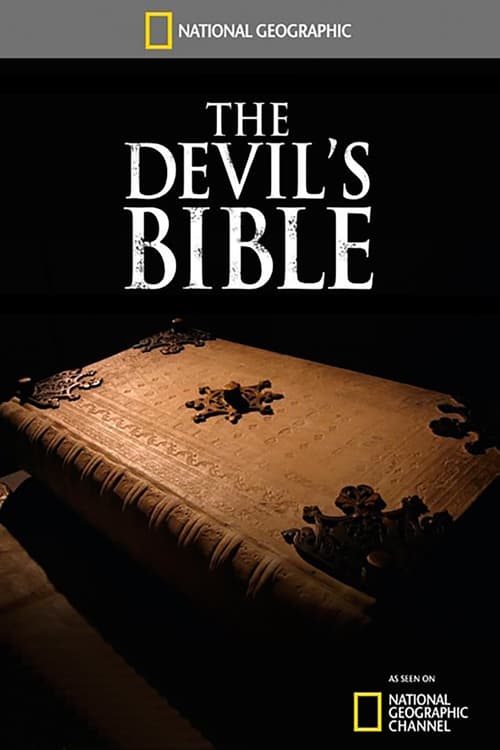
2008
2020
2014

2013
No reviews yet. Be the first to share your thoughts on this movie!
Use the rating form above to leave a star rating and optional review.