
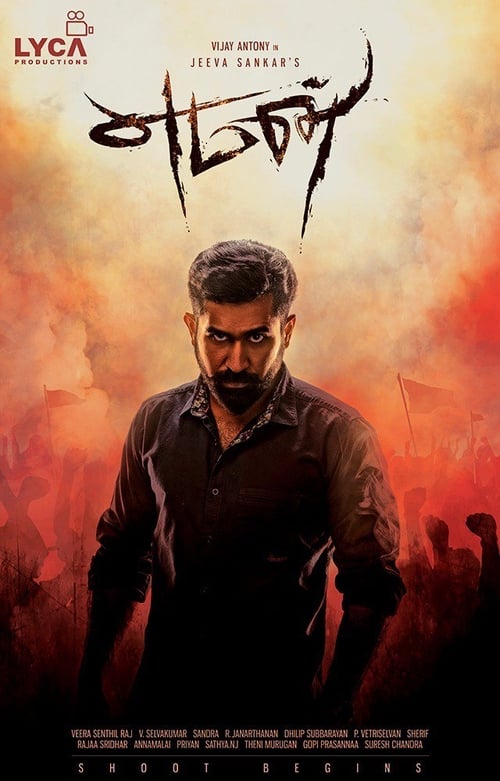
Maaran
2022
No user ratings available yet
Representation score: 2.5 out of 10

Representation Score
Fair
2011
Not RatedDirector
K. V. Anand
Runtime
160 minutes
Average Rating
No ratings yetNew Showbiz Analysis
Ko is a genre-driven political thriller that prioritizes thematic tension over demographic breadth. Its strength lies in its critique of institutional corruption and the power of visual documentation in a political landscape. However, the film adheres to conventional narrative structures. The focus remains heavily on male-driven narratives with limited exploration of non-traditional gender roles or non-straight identities.
Category Breakdown
The film does not feature any visible LGBTQ+ characters or themes. The narrative emphasizes broad political issues rather than exploring non-straight identities.
The story revolves around a male protagonist named Ashwin, who drives the main narrative arc. The film does not significantly challenge traditional gender roles or hierarchies.
As a Tamil production, the film centers on South Asian identities and regional political dynamics. It provides a localized perspective that avoids Western-centric storytelling clichés.
The plot critiques established power structures and systemic corruption through the lens of journalism. It prioritizes questioning institutional authority over celebrating stable governance.
There is no mention of characters dealing with physical, neurodivergent, or mental health conditions within the available narrative data.
Present on Screen
Limited or Absent
Official Synopsis
Ashwin is a photographer, covering the upcoming elections for a newspaper. His life gets entangled with politics when one of his published photographs upsets a corrupt political party.
2022

2001
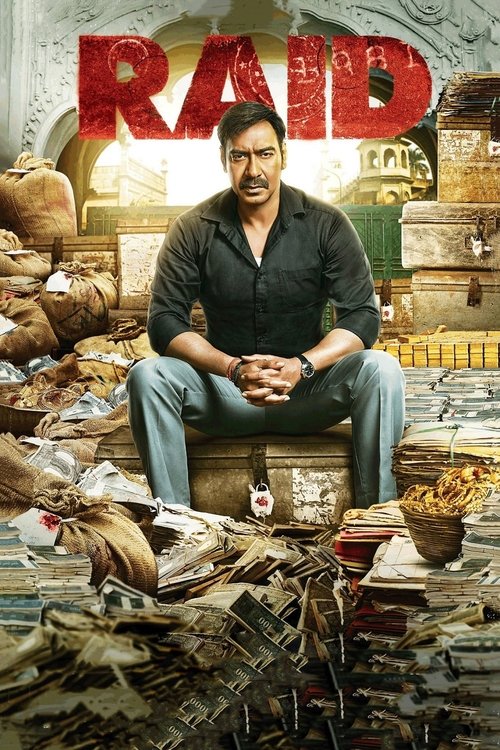
2017
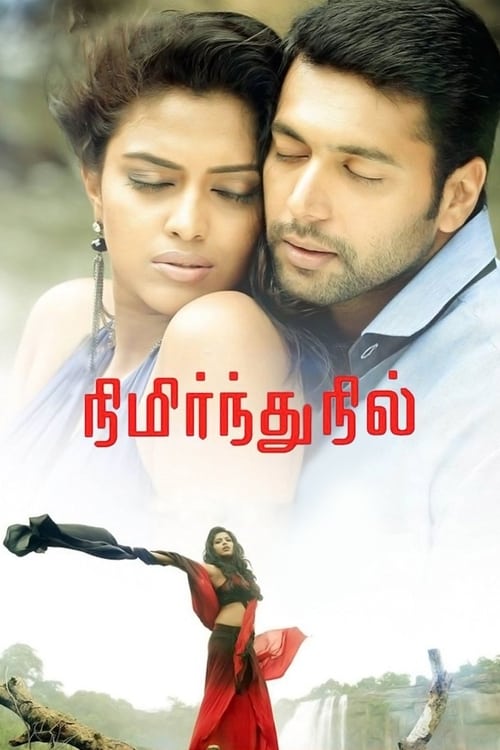
2018
2014
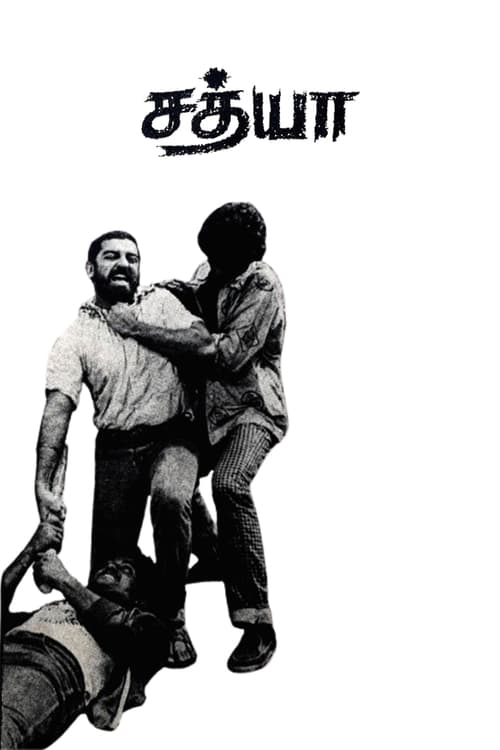
1988
2019

1999
No reviews yet. Be the first to share your thoughts on this movie!
Use the rating form above to leave a star rating and optional review.