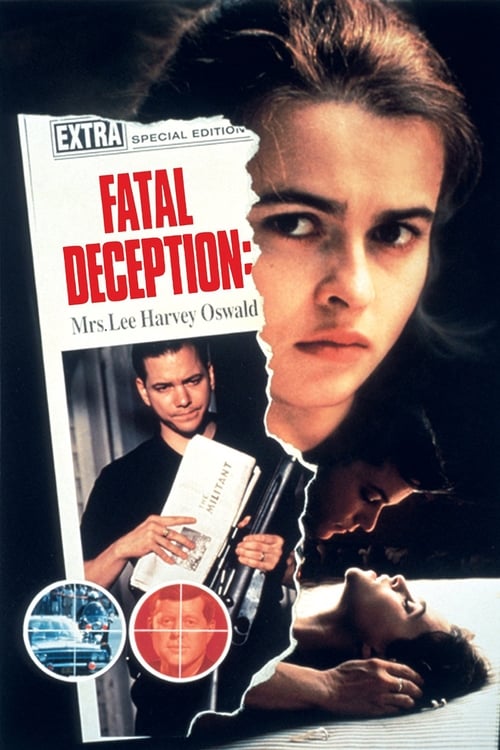
Fatal Deception: Mrs. Lee Harvey Oswald
1993
No user ratings available yet
Representation score: 4.8 out of 10
Representation Score
Limited
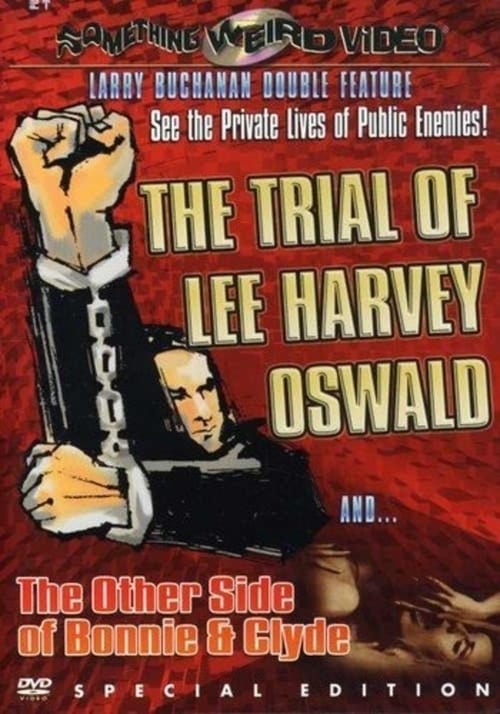
1964
Director
Larry Buchanan
Runtime
94 minutes
Average Rating
No ratings yetNew Showbiz Analysis
This 1964 drama functions as a period-specific reenactment of a historical legal proceeding. It prioritizes the procedural mechanics of the Lee Harvey Oswald trial over any intentional social critique. The film adheres to the social constraints of its time, reinforcing traditional hierarchies rather than disrupting them. The focus remains on a homogeneous, Western-centric view of justice and history. Because the production lacks multi-layered depth or progressive intent, it serves as a reflection of mid-century status quo rather than a challenge to it.
Category Breakdown
The film does not include any LGBTQ+ characters or stories. It focuses on the legal proceedings of a criminal trial, sticking to the social norms of 1964.
The story centers around a legal proceeding, a domain traditionally dominated by men. While female witnesses might appear, the structure reinforces traditional gender hierarchies and male authority.
The production reflects the demographic norms of its era. It focuses on a specific moment in American history that tends to prioritize a homogeneous white cast.
The film dramatizes Western legal institutions through a traditional lens. It lacks the anti-establishment sentiment or moral relativism found in more progressive works.
A plea of insanity introduces mental health as a procedural plot device. There is no evidence of nuanced exploration of neurodivergence or casting actors with actual disabilities.
Present on Screen
Limited or Absent
Official Synopsis
The Dallas trial of Lee Harvey Oswald, President John F. Kennedy's alleged assassin, is enacted as it might have occurred. After the defense enters pleas of "not guilty" and "not guilty by reason of insanity," 23 witnesses for the prosecution testify. No verdict is returned.
1993
1960
1989
1971
2013

2017
2002
2013
No reviews yet. Be the first to share your thoughts on this movie!
Use the rating form above to leave a star rating and optional review.