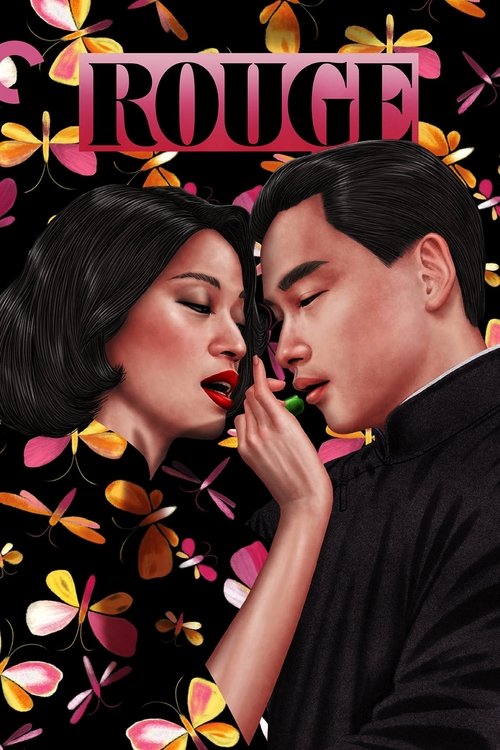
Rouge
1987
No user ratings available yet
Representation score: 4.5 out of 10
Representation Score
Fair
1970
Director
Lee Hsing, Pai Ching-jui, King Hu, Li Han-Hsiang
Runtime
140 minutes
Average Rating
No ratings yetNew Showbiz Analysis
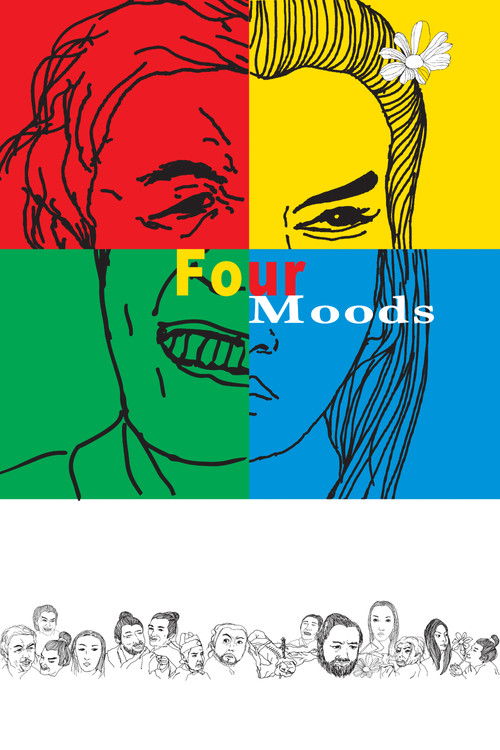
Four Moods is a sophisticated blend of traditional Eastern storytelling that challenges Western cinematic norms. By incorporating Peking Opera and folklore, the film achieves a high level of cultural authenticity. However, it adheres to the romantic and gendered conventions of its time, lacking explicit LGBTQ+ representation or engagement with disability narratives.
Category Breakdown
The film follows traditional romantic storylines without any clear indication of LGBTQ+ identities or queer themes.
Women play central roles in both the supernatural and emotional arcs of the film, interacting with men to shape the main narratives.
The film focuses on non-Western perspectives through its use of Chinese language and Peking Opera elements, adding cultural richness and depth.
Eastern philosophical ideas are emphasized through folklore and the Strange Tales of Liaozhai, blending fluid morality between the living and the dead.
There is no depiction of physical or neurodivergent disabilities in the film.
Present on Screen
Limited or Absent
Official Synopsis
Directed by some of most well known Chinese-language directors of the time, the portmanteau film Four Moods was an attempt to alleviate Li Han-hsiang’s financial troubles during the late 1960s. Arguably one of his best works, King Hu’s short Anger is an adaptation of the famous Peking opera San Cha Kou; set to opera instrumentation and stylishly shot, the film deftly captures the tense showdown between political schemers, avengers and vagabonds inside an inn. Li Han-hsiang’s Happiness, inspired by the Strange Tales of Liaozhai, tells a tale of reprieve for a kind-hearted ghost, while Pai Ching-Jui’s Joy and Lee Hsing’s Sadness both explore the fateful encounters between mortal men and ghostly women.
1987
1965
1979
1976
1993
1980
1978
1977
No reviews yet. Be the first to share your thoughts on this movie!
Use the rating form above to leave a star rating and optional review.