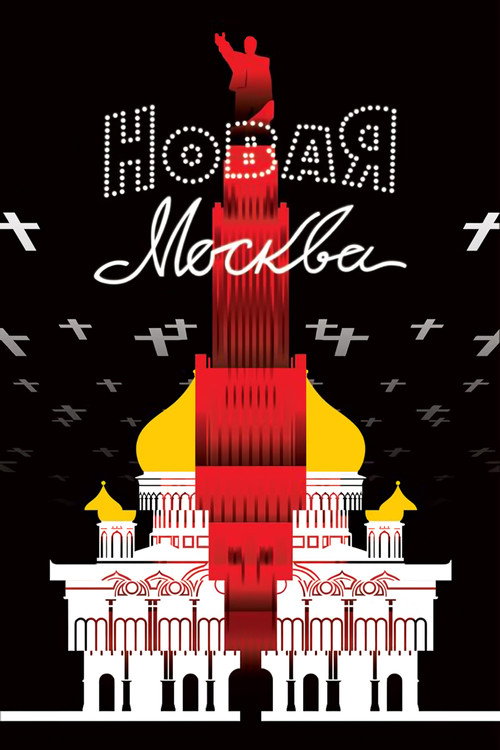
Cinderella 2000
1977
No user ratings available yet
Representation score: 3.2 out of 10
Representation Score
Limited
1938
Director
Aleksandr Medvedkin
Runtime
100 minutes
Average Rating
No ratings yetNew Showbiz Analysis
The film's diversity is shaped by its historical setting and its suppressed nature. While it does not show LGBTQ+ identities or disabilities, its main idea revolves around a radical reimagining of social structures. The narrative seems focused on male career goals and the Soviet ideal of international unity. This indicates a concentration on collective identity and urban renewal rather than individual multi-layered experiences. Overall, the film's strength lies in its cultural resistance. By challenging the rigid norms of the time, it aims to dismantle old systems in favor of a contested utopian vision.
Category Breakdown
The film does not include any non-straight or non-cisgender identities or same-sex relationships. Given the 1938 Soviet production era, such themes were banned by government rules.
The story centers on a male architect's career goals. It may challenge traditional family roles through themes of city rebuilding, but it does not explicitly address progressive gender issues.
The film likely portrays a diverse workforce reflecting the Soviet idea of international unity. However, it is unclear if this offers real opportunities or just symbolic representation.
The film opposes Western urban planning by rejecting capitalist frameworks. Its hidden status suggests it challenged strict Stalinist beliefs through a radical vision of society.
There is no record of characters with physical or neurological differences in the film.
Present on Screen
Limited or Absent
Official Synopsis
A comedy about a naive young architect and his wild designs for a “New Moscow.” The Soviet censors weren't at all amused and shelved it.
1977
1964
1969
1929

1971

1951

2013
1964
No reviews yet. Be the first to share your thoughts on this movie!
Use the rating form above to leave a star rating and optional review.