
Thirst
2009
No user ratings available yet
Representation score: 7.0 out of 10
Representation Score
Good
2001
Not RatedDirector
Claire Denis
Runtime
101 minutes
Average Rating
No ratings yetNew Showbiz Analysis
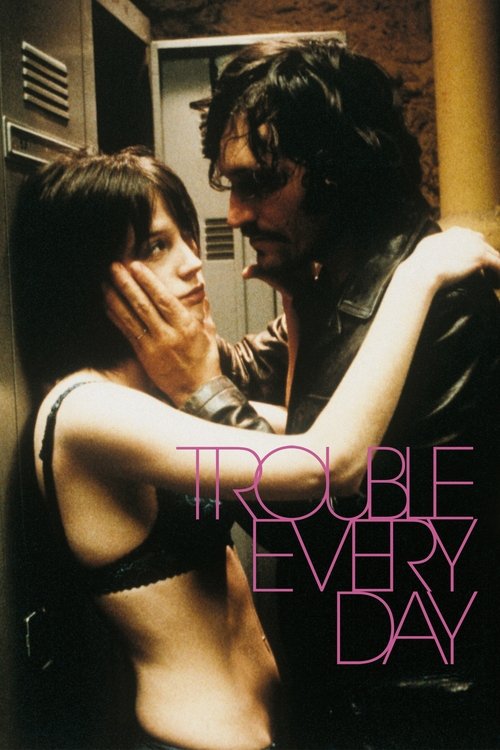
Claire Denis's work is a study in visceral, sensory experience that intentionally challenges mainstream cinematic conventions. The film prioritizes bodily autonomy and psychological impulses over traditional social structures, creating a deeply subjective viewing experience. While the film excels at deconstructing cultural and gender hierarchies, it remains demographically narrow. It lacks representation regarding race and LGBTQ+ identities, focusing instead on a singular, isolated European demographic. Ultimately, the film's strength lies in its radical rejection of Western institutional morality. It replaces collective social order with a dark, individualistic exploration of desire and liberation.
Category Breakdown
The film does not include explicit LGBTQ+ identities or non-straight relationships. It focuses on the intersections of heterosexual desire and violence.
Female characters have an autonomous, predatory role that challenges traditional nurturing roles. Masculinity is shown through vulnerability and a loss of control, rather than dominance.
The cast is very homogeneous, focusing on a localized European setting. There is no indication of racial blending or diverse ethnic perspectives.
The narrative rejects traditional Christian or legalistic moral frameworks. It frames extreme behaviors as manifestations of subjective desire rather than moral failings.
Physical dysfunction and disease are used as metaphors for uncontrollable desire. These elements drive the horror plot rather than exploring the lived experiences of disability.
Present on Screen
Limited or Absent
Official Synopsis
Newlyweds Shane and June arrive in Paris for their honeymoon. In the process of trying to find a cure for his strange, bloodthirsty disease, Shane stumbles upon the story of a doctor and his flesh eating wife.
2009

1999

2015

1976

2009

2015

2002

1990
No reviews yet. Be the first to share your thoughts on this movie!
Use the rating form above to leave a star rating and optional review.