You are here:

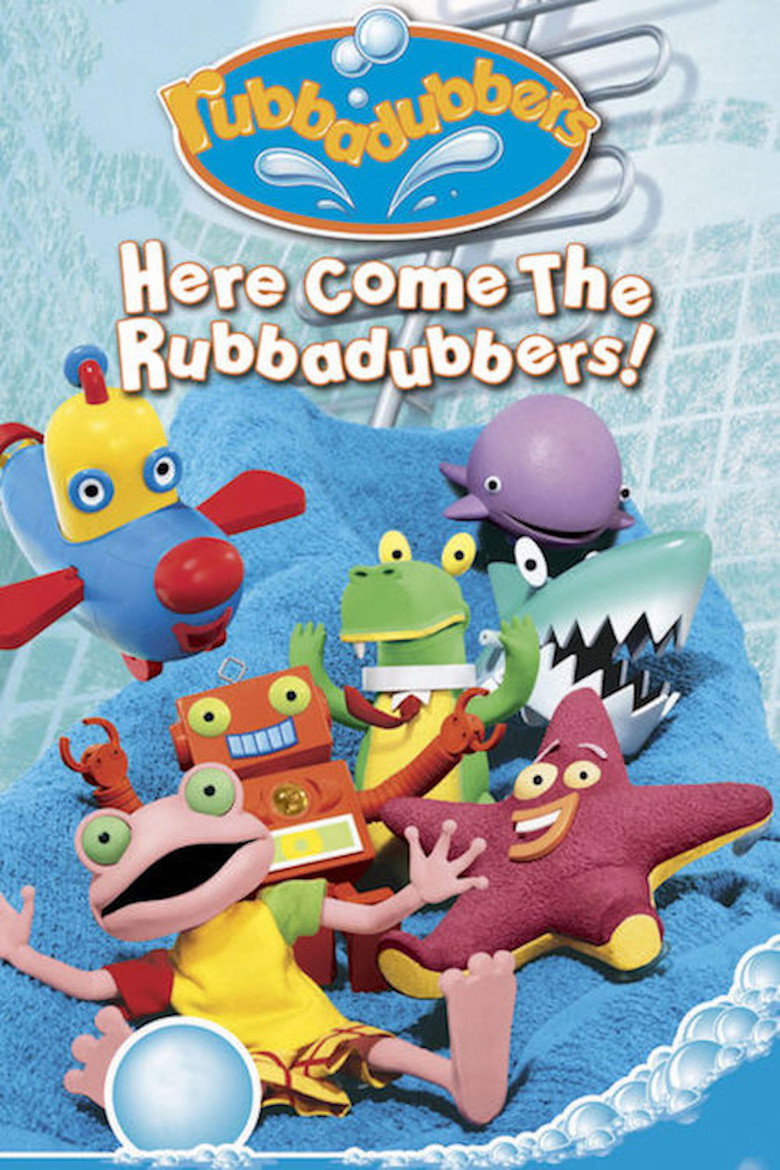
Rubbadubbers: Here Come the Rubbadubbers!

Rubbadubbers: Here Come the Rubbadubbers!

Representation Score

5.0/10

Fair

2004

TV-G

Average Rating

No ratings yet

New Showbiz Analysis

Rubbadubbers: Here Come the Rubbadubbers! serves as a traditional developmental narrative for young children. The stories emphasize individual emotional growth and social stability through conventional character archetypes. The production does not delve into complex multi-layered layers or challenge established systems. While the anthropomorphic nature allows for some metaphorical exploration, the narrative focuses on personal insecurities and self-improvement. Overall, the series upholds standard social structures rather than questioning cultural hierarchies, making it a safe, predictable choice for its intended audience.

Watch this, not that →

Category Breakdown

Does Rubbadubbers: Here Come the Rubbadubbers! have LGBTQ+ representation?

Limited

The show does not include any explicit depiction of same-sex relationships or non-binary gender identities. The characters exist within traditional social frameworks without visible LGBTQ+ representation.

How does Rubbadubbers: Here Come the Rubbadubbers! portray gender?

Fair

The show emphasizes emotional vulnerability, such as Sploshy’s dreams of performing. However, the characters adhere to standard gender roles common in early-2000s preschool programming.

How racially and ethnically diverse is Rubbadubbers: Here Come the Rubbadubbers!?

Limited

As anthropomorphic bath toys, traditional racial and ethnic distinctions are not shown. The focus is on individual struggles rather than community or intersecting identities.

How does Rubbadubbers: Here Come the Rubbadubbers! represent religion and culture?

Fair

The stories promote social cohesion and the importance of community. Themes revolve around cooperation and individual talent within a secure, home-like environment.

Does Rubbadubbers: Here Come the Rubbadubbers! include disability representation?

Fair

Reg the Monster’s difficulty with concentration and sensory overstimulation reflects behaviors associated with neurodivergence. These traits provide a basic level of cognitive diversity representation.

Present on Screen

  • The series offers foundational representation of cognitive diversity through characters dealing with sensory overstimulation.
  • The narrative arcs focus on key developmental milestones like cooperation and emotional intelligence.

Limited or Absent

  • The cast lacks explicit racial, ethnic, or LGBTQ+ identities.
  • The storytelling adheres to traditional social frameworks without challenging gender hierarchies or cultural norms.

Official Synopsis

Train Driver Tubb: Tubb stays on track until robbers try to steal his gold - and he discovers he can't do everything alone. Sploshy’s Tail: Sploshy dreams of performing tricks like Winona the whale. If only she had a tail, Sploshy would be a circus star. Terence’s Double Trouble: Terence wishes for a friend who likes the same things he does! But when his imaginary friend, Lawrence, does everything better, the soapy crocodile is troubled. Scary Finbar: Argh! Finbar isn't a very scary shark. If only he were a Mighty Scary Shark, he would swim in the ocean and scare his friends! Reg the Monster: Reg can't concentrate and wishes for peace and quiet. Things change when he becomes the Leave Me Alone Monster.

How are these scores produced? →

Where to Watch

Rate this Movie

No rating selected
Use arrow keys to select a rating from 1 to 5 stars
Optional text review, maximum 2000 characters
Tip: Wrap spoilers with ||double pipes|| to hide them
0/2000 characters
You must be signed in to submit a rating

Reviews

No reviews yet. Be the first to share your thoughts on this movie!

Use the rating form above to leave a star rating and optional review.