Spud and the Vegetable Garden
2000
No user ratings available yet
Diversity score: 2.1 out of 10
1993
Director
Howard E. Baker
Runtime
12 minutes
Average Rating
No ratings yetSynopsis
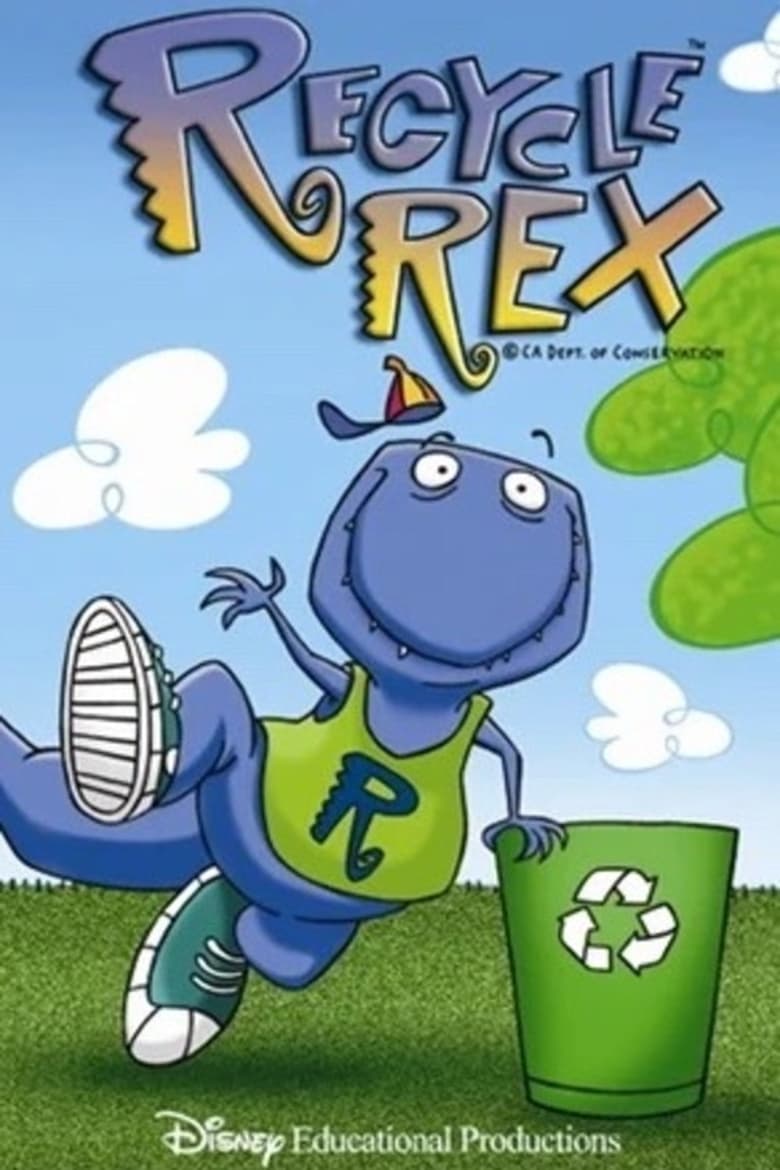
A group of '90s-looking anthropomorphic dinosaur kids must come up with a way to get rid of their trash without just throwing it away or their favorite playfield will be turned into a landfill. One of them, Recycle Rex, has an idea.
Overall Score
Limited
Category Breakdown
LGBTQ+ Representation
The film contains no evidence of LGBTQ+ characters or narratives addressing non-cisnormative identities. The story focuses entirely on environmental themes without exploring sexual orientation or gender identity.
Gender Representation
The cast includes a group of dinosaur children, implying a mix of genders. However, the film does not explicitly subvert gender hierarchies or portray specific gendered power dynamics.
Racial & Ethnic Diversity
Because the characters are anthropomorphic dinosaurs, traditional racial and ethnic markers are absent. There is no indication that species-based casting is used to explore racial themes.
Religious & Cultural Diversity
The film promotes progressive values through its critique of consumerism and waste. It emphasizes collective responsibility and ecological stewardship over individualistic consumption patterns.
Disability Representation
There is no mention of characters with visible or invisible disabilities. The narrative does not include neurodivergent representation within its character descriptions.
Strengths
Areas for Improvement
AI Analysis
Recycle Rex is a didactic environmental fable centered on ecological preservation. The narrative uses an environmental crisis to drive the plot, focusing on resource management rather than social identity. While the film challenges 1990s throwaway culture, it lacks intersectional complexity. The characters act as a homogeneous group focused on communal problem-solving rather than disrupting social or systemic hierarchies. Ultimately, the work stays within the bounds of traditional children's animation, prioritizing environmentalism over deep critiques of identity or power structures.
2000

1998

1998
1983

2011

1978
1975
1995

1995

1979
1950
1966
No reviews yet. Be the first to share your thoughts on this movie!
Use the rating form above to leave a star rating and optional review.