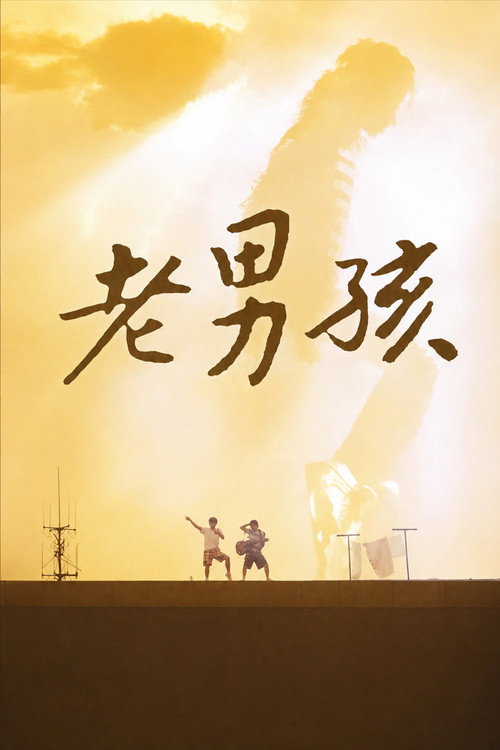
Old Boys
2010
No user ratings available yet
Representation score: 4.7 out of 10
Representation Score
Fair
2010
Director
Shun Oguri
Runtime
122 minutes
Average Rating
No ratings yetNew Showbiz Analysis
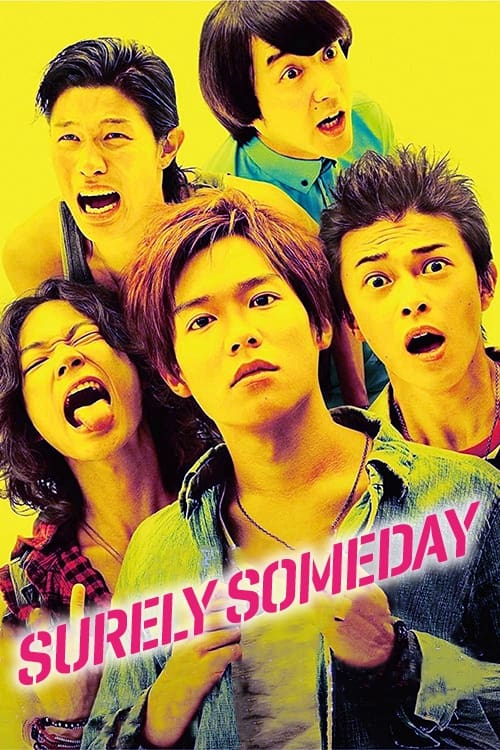
Surely Someday is a localized coming-of-age drama that prioritizes character-driven conflict over broad characters who reflect more than one aspect of diversity. The plot focuses on a group of students whose rebellion against school authority leads to unintended, serious consequences. While the film offers a critique of systemic educational structures, it lacks demographic complexity. The narrative remains centered on a relatively homogeneous group, providing little insight into diverse identities or underrepresented experiences. Ultimately, the film functions as a study of situational ethics and personal responsibility rather than a vehicle for progressive social representation.
Category Breakdown
The film does not include any explicit mention of LGBTQ+ characters or narratives that challenge the assumption that everyone is straight or cisgender. There is no evidence of queer themes within the provided story.
The narrative centers on four high school students but does not specify their genders. It relies on conventional coming-of-age clichés without exploring gendered power dynamics.
Set in a Japanese high school, the story appears to focus on a relatively homogeneous demographic. There is no evidence of intentional multi-layered blending or casting actors with different backgrounds in roles traditionally expected to match their ethnicity.
The film critiques institutional authority by showing students challenging rigid school hierarchies. It explores moral complexity through the consequences of their rebellious, anti-social actions.
There is no information regarding characters with visible or invisible disabilities. The narrative does not address neurodivergence or mental health conditions.
Present on Screen
Limited or Absent
Official Synopsis
Drawing influence from the street musicians of Miyagi, four high school students form a band and spend their free time practicing for their school's upcoming festival. When the festival is abruptly concealed, they come up with a dimwitted strategy of faking a bomb threat to the school in order to force the principal to change his mind. Their plan seems to work at first, but when a real bomb goes off, the group is forced to take responsibility for the explosion and they are kicked out of school. Three years later, more details of the incident is revealed as the youth look back on the past.
2010

2005

2015
2004
2015

2011
2005
2002
No reviews yet. Be the first to share your thoughts on this movie!
Use the rating form above to leave a star rating and optional review.