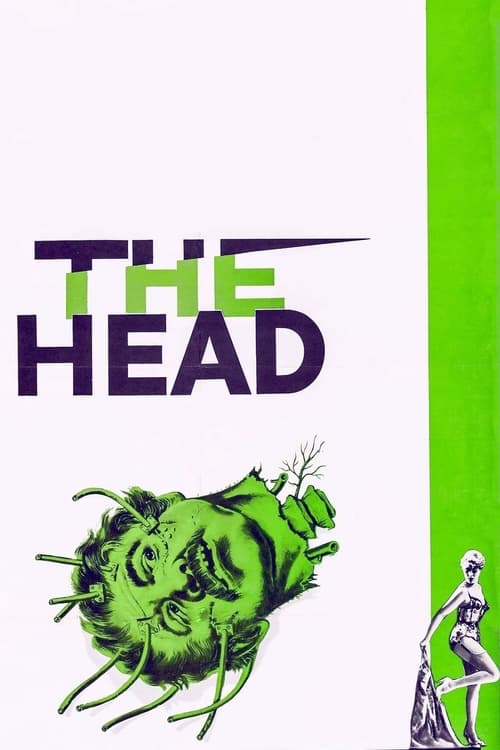
The Head
1959
No user ratings available yet
Representation score: 3.4 out of 10

Representation Score
Fair
2020
Director
Derek Carl
Runtime
97 minutes
Average Rating
No ratings yetNew Showbiz Analysis
The film functions as a satirical homage to mid-century horror, prioritizing stylistic deconstruction over multi-layered depth. While it engages with genre clichés, it remains tethered to traditional character archetypes. Narrative ability to act is heavily skewed toward a male protagonist, leaving the female lead as a catalyst for scientific obsession. This mirrors the assumption that everyone is straight or cisgender and the gendered power dynamics of the original 1962 era. Representation across racial and queer identities is minimal or absent. The film operates within a narrow, conventional framework that lacks significant social or systemic disruption.
Category Breakdown
The story centers around a traditional romantic relationship between a surgeon and his fiancée. There is no indication of queer-coded subtext or non-cisgender identities.
The male protagonist drives the narrative through his scientific obsession. The female character remains a passive object of his pursuit rather than an independent agent.
The film follows conventional, homogeneous casting patterns typical of low-budget independent science fiction. No diverse or non-Anglo-Saxon majority is represented.
The plot aligns with traditional Western romanticism and the 'god complex' of medical institutions. It lacks systemic critiques that disrupt conventional social hierarchies.
The severed head serves as a sci-fi plot device rather than a nuanced exploration of disability. Physical trauma is treated as horror rather than lived experience.
Present on Screen
Limited or Absent
Official Synopsis
After his fiancee in killed a car accident, a gifted surgeon revives her severed head in hopes of finding her a new body.
1959
1969

2017

1997
2018

2026
1983

2015
No reviews yet. Be the first to share your thoughts on this movie!
Use the rating form above to leave a star rating and optional review.